Geopolitical shifts, technological innovations and budget cuts are changing the research landscape at a rapid pace. How do we navigate these turbulent times as researchers?
Over recent years the pressure on academic freedom and the autonomy of our research institutions have increased dramatically. The geopolitical landscape is rapidly changing, and there is a steadily growing political and societal demand for research to demonstrate measurable “usefulness” or immediate societal impact.
While the Nordic region is often held up as a model for stable, well-funded, and socially responsible research systems, it is not immune to the broader global dynamics, and the role of universities and other research institutions is under pressure from what has been called academic capitalism.
At this seminar we ask:
- In what ways do current geopolitical tensions influence international research collaboration?
- Can the Nordic model of publicly funded universities serve as a safeguard against political or economic pressures?
- How is the concept of “usefulness” in research being (re-)defined by governments and funding bodies, and what risks does this pose for academic freedom?
- What arenas exist for rigorous research and how may these be strengthened?
- What forms of censorship or self-censorship are emerging among researchers in response to public or political controversy, and how can institutions address them?
- How is research on gender and sexuality affected by current political tensions in particular?
This event is held on occasion of the annual Nils Klim Committee meeting and is a collaboration between the Finnish Academy of Science and Letters and the Holberg Prize, which also awards the Nils Klim Prize.
Guests are invited to a reception from 16:00, when doors open.
The academic programme will begin at 16:30.
Programme
Welcome
by Juhani Knuuti, President of the Finnish Academy of Science and Letters
Introduction of the event
by Jørgen Sejersted, Chair of the Board of the Holberg Prize
Introduction of the speakers
by moderator Stefan Nygård, Associate Professor of European History at the University of Helsinki and project manager at the Academy of Science and Letters in Finland.
Intersectional feminism in a time of turmoil
by Daniela Alaattinoğlu, Associate Professor of Law at the University of Turku
The problem with sex
by Susanna Paasonen, Professor of Media Studies at University of Turku
@FeministDates – Researching Value Chains of Global Commodity Frontiers and Getting Crammed by Global Populist Right Wing
by Marjaana Jauhola, Senior Research Fellow at Tampere Peace Research Institute (TAPRI) at Tampere University
Panel Discussion
Chaired by Stefan Nygård, Associate Professor of European History at the University of Helsinki and project manager at the Academy of Science and Letters in Finland.
Speakers
Daniela Alaattinoğlu
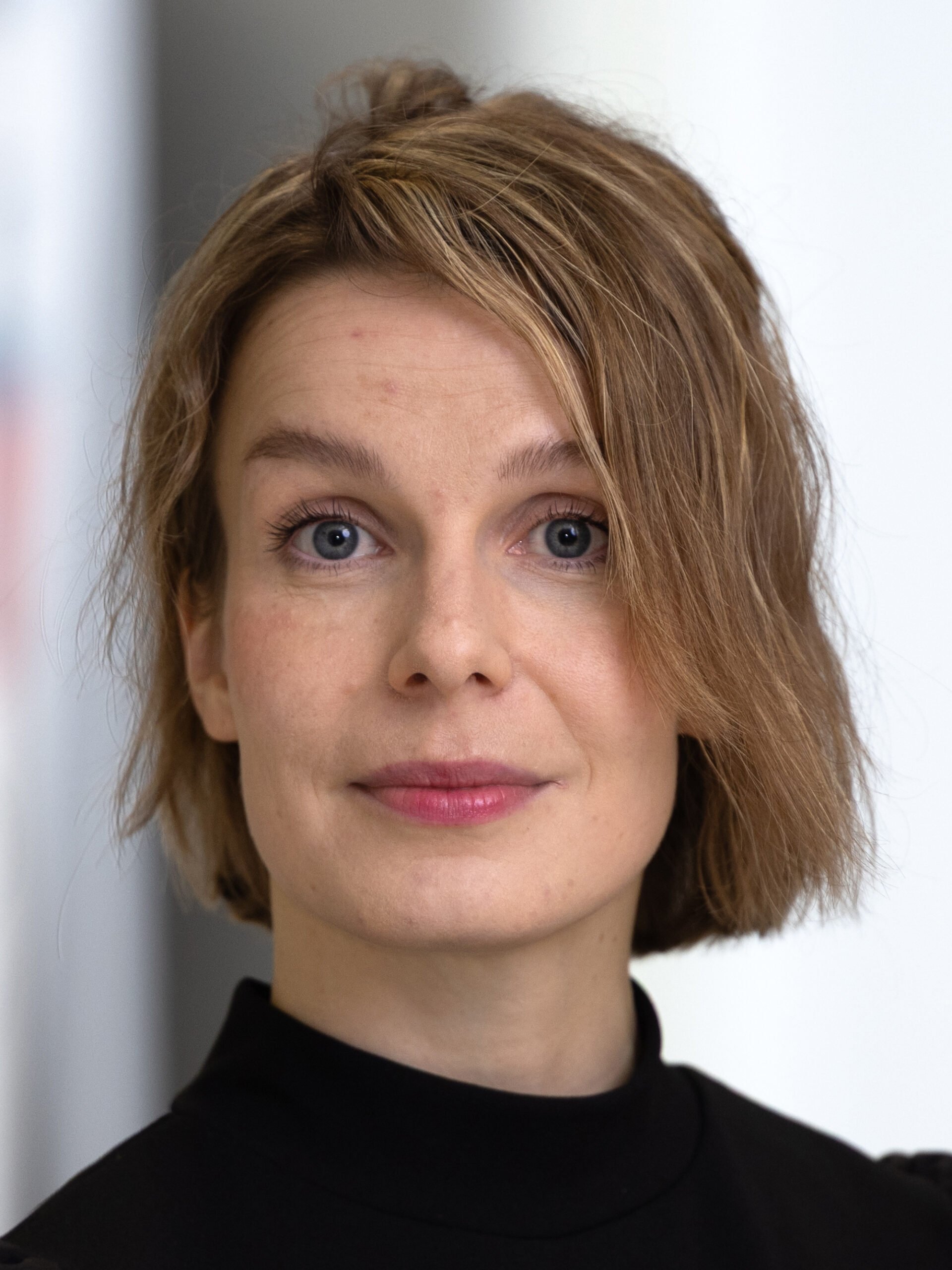
Daniela Alaattinoğlu is Associate Professor of Law at the University of Turku and the recipient of the 2025 Nils Klim Prize. Her interdisciplinary research explores how societies and laws co-evolve, how groups mobilise to transform their positions, and how law intersectionally includes and excludes. She is the author of Grievance Formation, Rights and Remedies: Involuntary Sterilisation and Castration in the Nordics, 1930s–2020s (Cambridge University Press, 2023) and leads the ERC-funded project From the Margin to the Centre: Rights Development, Transitional Justice and Indigeneity in the Nordics (2025–2029). Her research has been supported by grants from the Icelandic Research Fund (2020–2023), the Swedish Cultural Foundation in Finland (2020–2022), and the Research Council of Finland (2014–2019) among others.
Susanna Paasonen
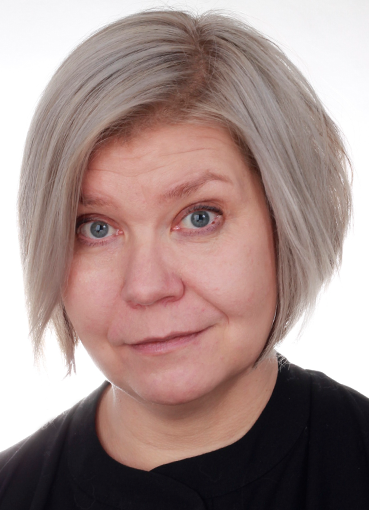
Susanna Paasonen is Professor of Media Studies at University of Turku. With an interest in studies of sexuality, media, and affect, she is the author of e.g., Dependent, Distracted, Bored: Affective Formations in Networked Media (MIT Press 2021), Yul Brynner: Exoticism, Cosmopolitanism and Screen Masculinity (Edinburgh University Press, 2023), and Hot Connections: Why Sexual Platforms Matter (with Jenny Sundén and Katrin Tiidenberg, MITP 2026). Paasonen is a member of the Nils Klim Committee.
Marjaana Jauhola
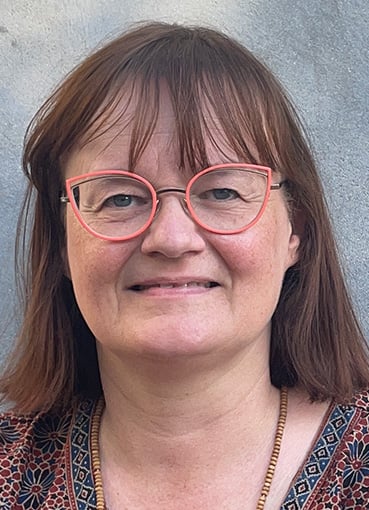
Dr Marjaana Jauhola (PhD in International Politics, Aberystwyth University) is a Senior Research Fellow in Tampere Peace Research Institute, Tampere University and Adjunct Professor in Global Development Studies, University of Helsinki. Her research, for two decades, focuses on politics of intersectional inequalities of post-disaster and post-conflict contexts and their entanglement with ethno-nationalist populism in South and Southeast Asia using collaborative visual ethnography and life histories. She has published three monographs and many articles on the topic.
Stefan Nygård (Moderator)
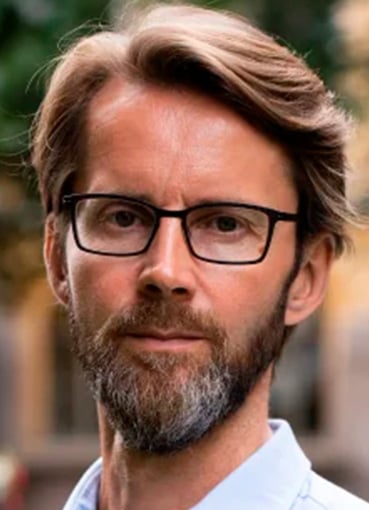
Stefan Nygård is Associate Professor of European History at the University of Helsinki and leads a research initiative at the Academy of Science and Letters in Finland that traces the evolution of scientific life in Finland since 1918, examining its development within broader social and international settings.