

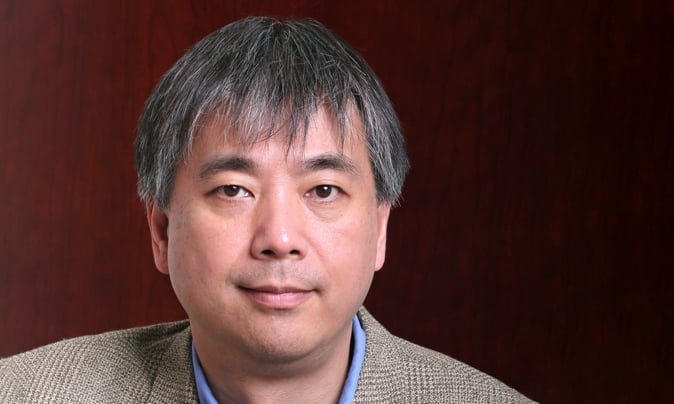
As of June this year, Professor Cui Zhiyuan from Tsinghua University is appointed a new member of the Holberg Committee.
The Holberg Prize welcomes Professor Cui Zhiyuan as the newest member of the Holberg Committee. Zhiyuan joined the committee after Pratap Bhanu Metha stepped down in June. Metha has been part of the committee for eight full years, and had the leader role for the last four years. The Holberg Prize thanks him for his excellent work, and wishes Dame Hazel Genn good luck as the new committee chair.
Cui Zhiyuan wrote his Ph.D. in political science at the University of Chicago, and is now a professor at The School of Public Policy and Management at Tsinghua University. He has also been a Visiting Fellow at a number of prestigious institutions, like Harvard University Law, MIT and the National University of Singapore throughout his academic career. He is also a prominent representative for the Chinese New Left, a movement that criticizes Chinese economic policy and advocates for alternative marked solutions.
The Holberg Committee meets twice a year to discuss the nominated candidates for the Holberg Prize, before they put forward their reccomandation to the Holberg Board, who makes the final decision. In addition to Professor Zhiyuan the committee consists of the aforementioned Dame Hazel Glenn, professor and Dean of Law at the University College London, Bjørn Wittrock, professor at Uppsala University, Mary Beard, professor at the University of Cambrigde and Graeme Turner, professor emeritus at the University if Queensland.
Last edited:
Published:
Related content
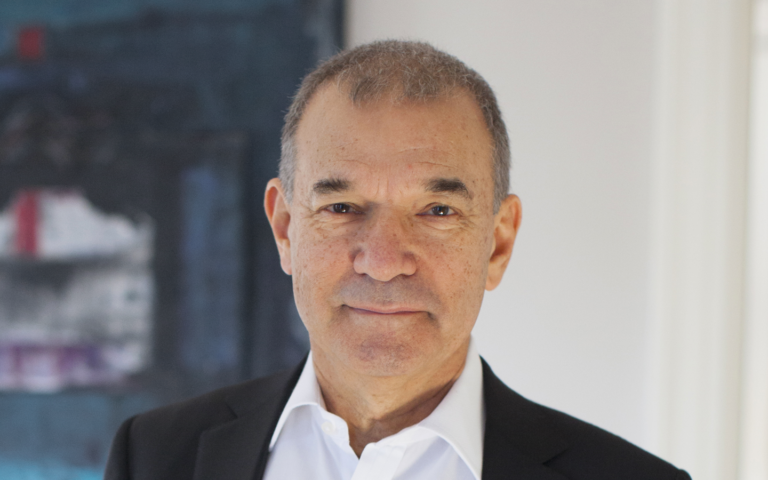
“Everyone dreams at night”: Interview with Stephen Greenblatt
What are the paths and life events that have led 2016 Holberg Laureate Professor Stephen Greenblatt to where he is today? Where will he go from here? How will the humanities survive the current crisis? Those are some of the questions Greenblatt answers in this exclusive interview.
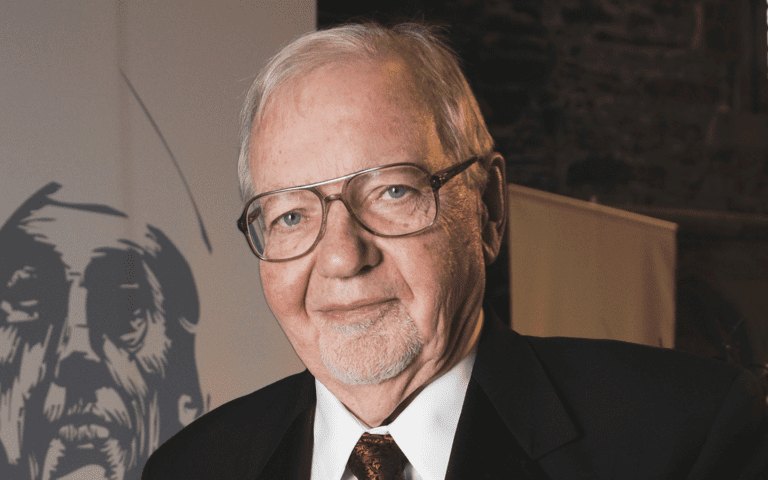
About Fredric R. Jameson
Fredric R. Jameson (born in 1934 in Cleveland, Ohio) is one of today's most important and most influential cultural theorists. He has done more for the contextual study of culture than any other living scholar. Over the past four decades, he has developed a richly nuanced theory of how modern culture – in particular, literature, painting, cinema, and architecture – relates to social and economic developments.

About Ian Hacking
Ian Hacking (born in 1936 in Vancouver, British Columbia) is one of the world's leading scholars in the fields of philosophy and history of science. He has made important contributions to areas as diverse as the philosophy and history of physics; the understanding of the concept of probability; the philosophy of language; and the philosophy and history of psychology and psychiatry.