


Slavoj Žižek has been called the «the most dangerous philosopher in the West» and a cultural theorist superstar, as he mixes Marxism with pop culture and psychoanalysis. Three decades after the fall of «Communism» in Eastern Europe, why does Žižek still call himself a communist?
Even though Europe’s authoritarian Socialist states have been gone for about 30 years, socialism and communism have not disappeared from the lexicon of political ideas in the West.
Here, the last decade has seen both a crisis of capitalism, high levels of polarisation and turmoil, a rediscovering of Marxism in certain circles, and a mainstream American Left that advocates «democratic socialism».
What exactly such terms mean to their advocates and critics, however, remains unclear, as the US enters one of the most contentious election years ever. And while the Nordic “social democracies” may be known for their expansive welfare states, arguing that they still represent “socialism” would likely require a stretch of both concepts and imagination.
In an age where the principles of the free marked have become the driving force of both the economy, public services, foreign policy, and education, “communism” remains a dirty word among the political establishment.
So why is Žižek still a communist?
Žižek will deliver his keynote address, “Why I Am Still A Communist”, before being interviewed by Professor Tyler Cowen.
Livestream from the event:
Last edited:
Published:
Related content
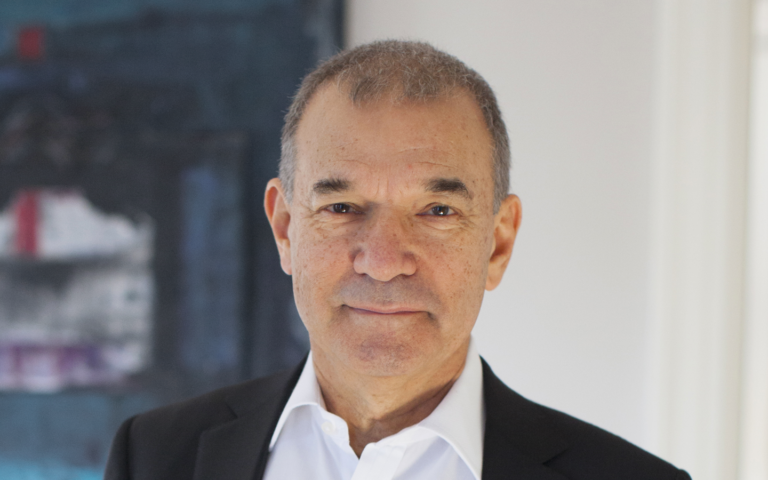
“Everyone dreams at night”: Interview with Stephen Greenblatt
What are the paths and life events that have led 2016 Holberg Laureate Professor Stephen Greenblatt to where he is today? Where will he go from here? How will the humanities survive the current crisis? Those are some of the questions Greenblatt answers in this exclusive interview.
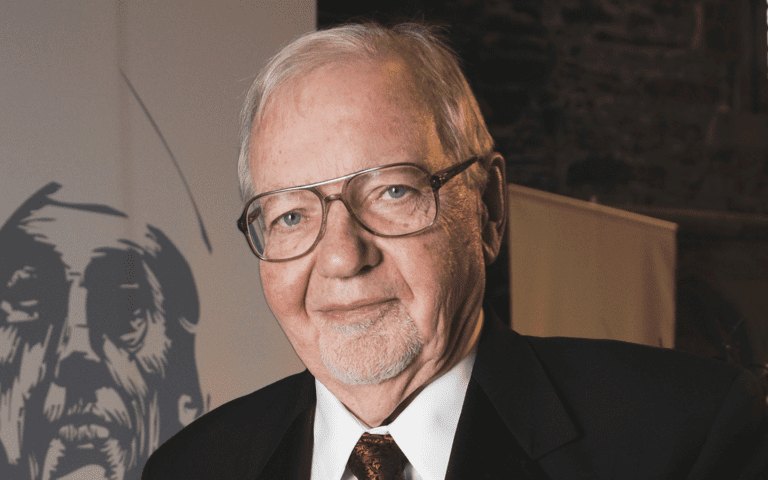
About Fredric R. Jameson
Fredric R. Jameson (born in 1934 in Cleveland, Ohio) is one of today's most important and most influential cultural theorists. He has done more for the contextual study of culture than any other living scholar. Over the past four decades, he has developed a richly nuanced theory of how modern culture – in particular, literature, painting, cinema, and architecture – relates to social and economic developments.

About Ian Hacking
Ian Hacking (born in 1936 in Vancouver, British Columbia) is one of the world's leading scholars in the fields of philosophy and history of science. He has made important contributions to areas as diverse as the philosophy and history of physics; the understanding of the concept of probability; the philosophy of language; and the philosophy and history of psychology and psychiatry.