

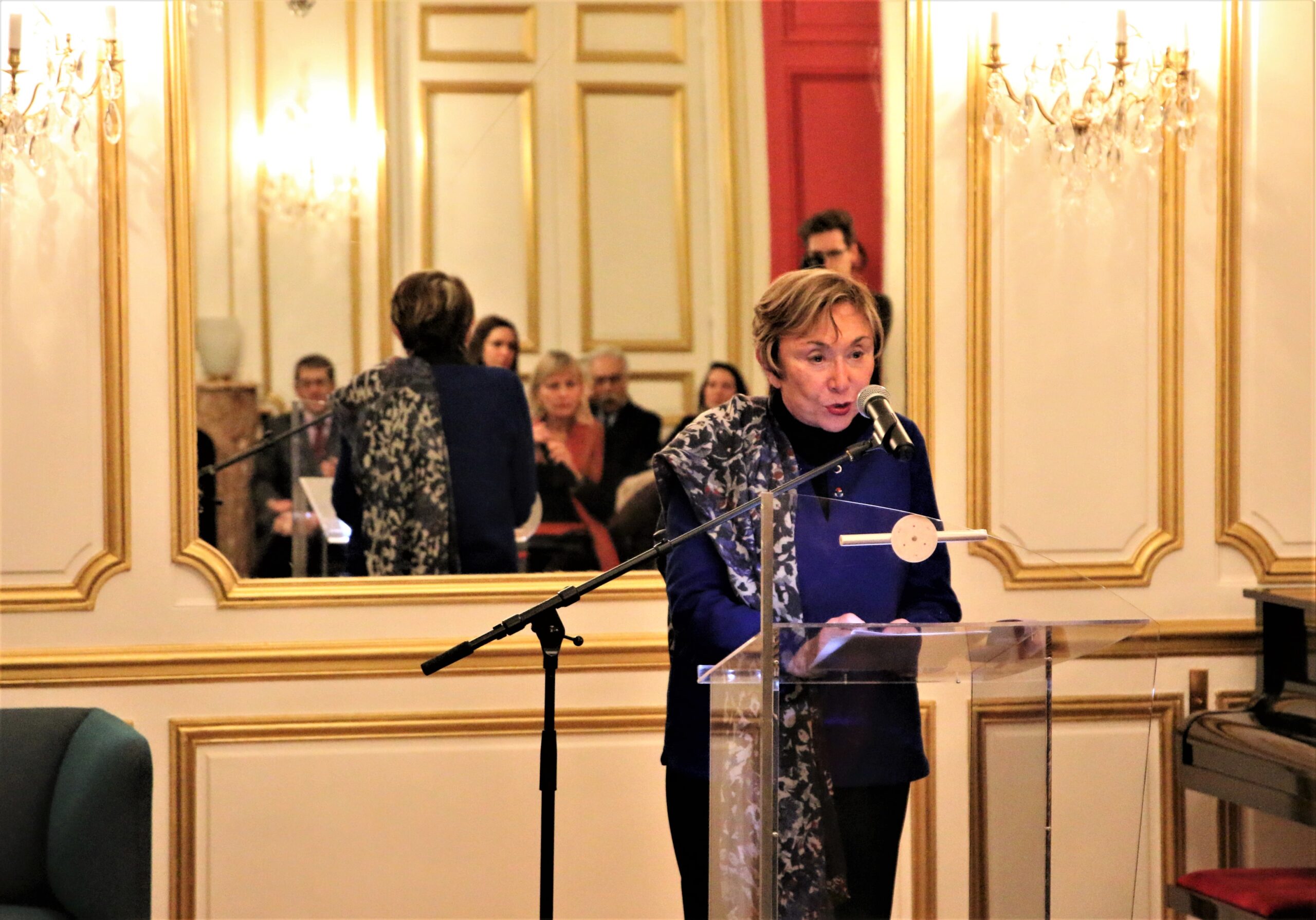
The Holberg Committee convened in Paris recently to submit its recommendation for the 2017 Laureate, and Julia Kristeva held a talk at the Royal Norwegian Embassy.
The Holberg Committee held the first of two annual meetings on 10 February. Here, the Committee discussed their shortlist of candidates for the 2017 Holberg Prize, and they submitted their recommendation to the Holberg Board.
The Board will convene on 16 February to select the winners of the 2017 Holberg Prize and Nils Klim Prize.
Embassy Event
In connection with the Committee meeting, there was also a reception at the Royal Norwegian Embassy in Paris. At the event, 2004 Holberg Laureate Julia Kristeva held a talk on the importance of the academic disciplines covered by the Holberg Prize: The humanities, the social sciences, law and theology. The event was attended by about 35 people, primarily from academia. There was also a presentation of the Holberg Prize, by Chair of the Holberg Board Sigmund Grønmo.
109 nominations
The Holberg Committee received 109 nominations for the 2017 Prize, for a total of 99 candidates. To thirds of these were first-time nominees. As for institutional affiliation, the US was most strongly represented, followed by the UK and Germany.
Nominate a candidate for the 2018 Prize
Scholars holding positions at universities and other research institutions, including academies, are entitled to nominate candidates to the Holberg Prize and the Nils Klim Prize. The deadline for nominations to the 2018 prizes is 15 June, 2017. Further information on how to nominate is available here.
Last edited:
Published:
Related content
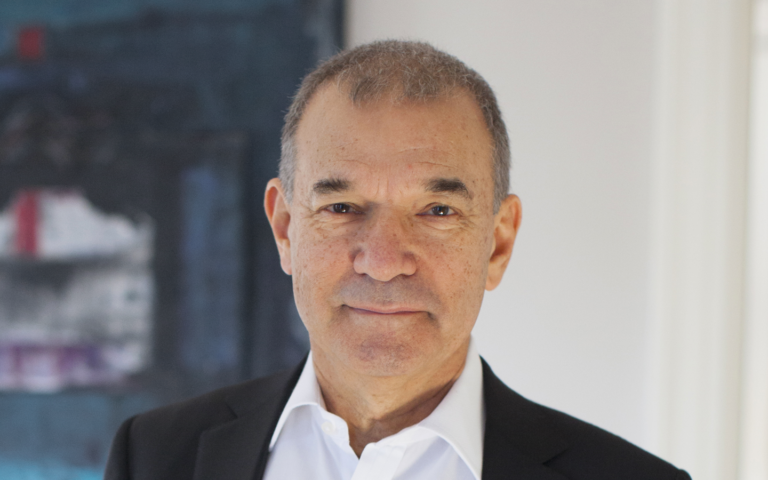
“Everyone dreams at night”: Interview with Stephen Greenblatt
What are the paths and life events that have led 2016 Holberg Laureate Professor Stephen Greenblatt to where he is today? Where will he go from here? How will the humanities survive the current crisis? Those are some of the questions Greenblatt answers in this exclusive interview.
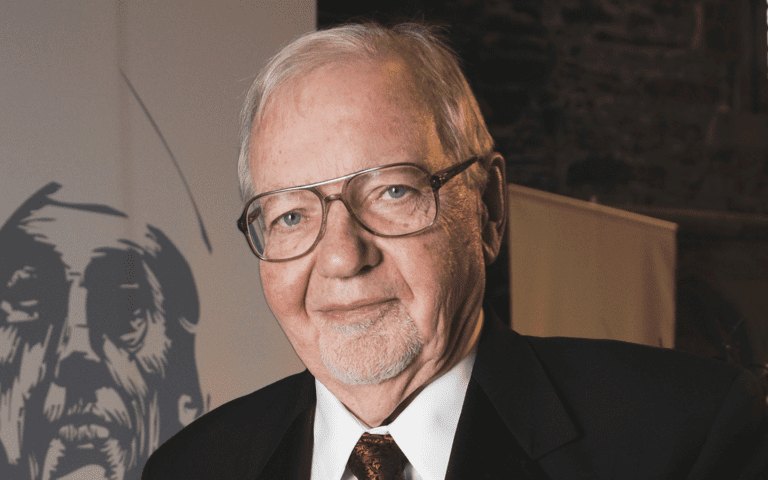
About Fredric R. Jameson
Fredric R. Jameson (born in 1934 in Cleveland, Ohio) is one of today's most important and most influential cultural theorists. He has done more for the contextual study of culture than any other living scholar. Over the past four decades, he has developed a richly nuanced theory of how modern culture – in particular, literature, painting, cinema, and architecture – relates to social and economic developments.

About Ian Hacking
Ian Hacking (born in 1936 in Vancouver, British Columbia) is one of the world's leading scholars in the fields of philosophy and history of science. He has made important contributions to areas as diverse as the philosophy and history of physics; the understanding of the concept of probability; the philosophy of language; and the philosophy and history of psychology and psychiatry.