

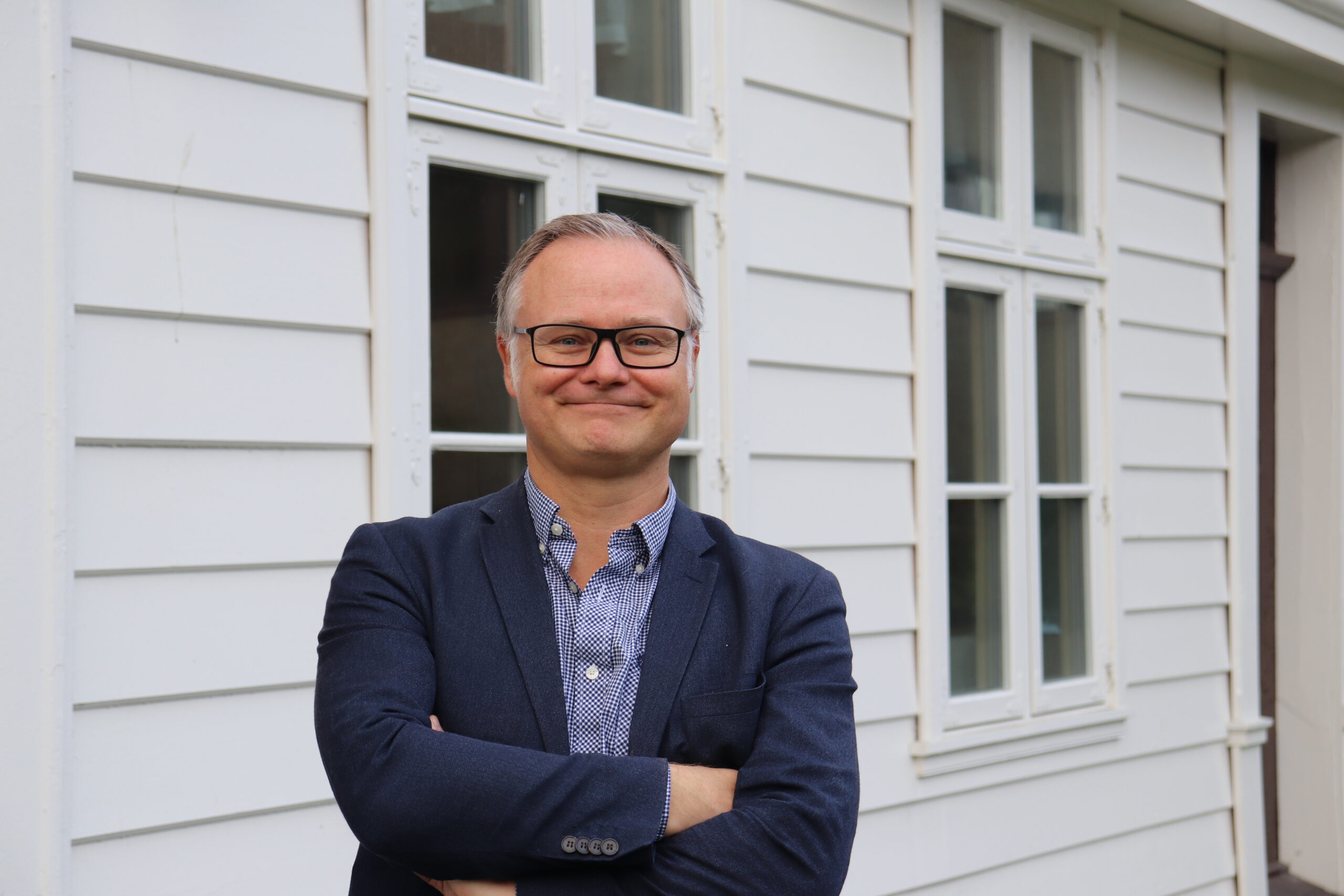
Professor Bjørn Enge Bertelsen joins the post as Academic Director of the Holberg Prize on 1 January, 2022. Han takes over from Professor Ellen Mortensen, who has been Academic Director since 2015.
Bjørn Enge Bertelsen is Professor of Social Anthropology at the University of Bergen. He is also Executive Director of GRIP (Global Research Programme on Inequality) — a global research programme on inequality tied to both the International Science Council and the University of Bergen.
Academic Fields that Deserve More Attention
“The Holberg Prize is one of the world’s most important recognitions of academic fields and research that often receive less attention than they deserve,” says Bertelsen. “Efforts to attain such attention are increasingly important in a time when research is becoming ever more intrumentalized.”
“I am deeply honoured to have been asked to assume the position as Academic Director of the Prize, and I hope I can contribute to the further evolvement of the Prize, buiding on the excellent effort that has been put into making the Prize even more well-known—in Norway and around the world; in the global scientific community, and in society at large.”
Bertelsen describes the work done by the Secretariat under the leadership of Ellen Mortensen, as well as by the Board, as formidable. «Already, the Holberg Prize, the Nils Klim Prize, the School Project and the Holberg Debate are well-known as key activities that recognize research, debate and knowledge. When I start my work in the new position, I hope to contribute to making the Prize better known also outside Europe and the US, so that it becomes even more globally relevant.”
A Global Perspective
Professor Ellen Mortensen says the post as Academic Director of the Holberg Prize is an exciting job. “Overseeing the process of collecting nominations from the entire world, as well as the evaluation work done by the Holberg Committee, the Nils Klim Committee and the School Project Jury, is an important part of the job as Academic Director,” she points out. “In addition, the Director is responsible for all academic activities that take place during the Holberg Week in June each year, as well as the Holberg Debate, through which the Holberg Prize aims to reach the broader public both in Norway and abroad.”
“With his professional expertise and global perspective, Professor Bjørn Enge Bertelsen can help the Holberg Prize evolve in the right direction, Mortensen says.
Highly Engaged and Competent
The Chair of the Holberg Board, Professor Kjersti Fløttum, describes Mortensen a highly enganged and competent Academic Director. “In an excellent way, she has contributed to increased recognition of the Holberg Prize activities – the main award as well as the Nils Klim Prize and the Holberg Prize School Project – and to making the Holberg Prize more widely known in Norway and abroad,” says Fløttum. “We wish to extend our sincere appreciation to Ellen for her tireless and solid effort for the Holberg Prize.”
Fløttum emphasizes that the Board is very pleased with Bjørn Enge Bertelsen becoming the new Academic Director. “As Professor of Social Anthropology, Bertelsen has extensive expertise in relevant academic fields, as well as solid leadership experience. He has a broad international orientation, with a network of academic contacts in a number of countries,” she says. “We are looking forward to welcoming Bjørn Enge Bertelsen as new Academic Director of the Prize.”
Last edited:
Published:
Related content
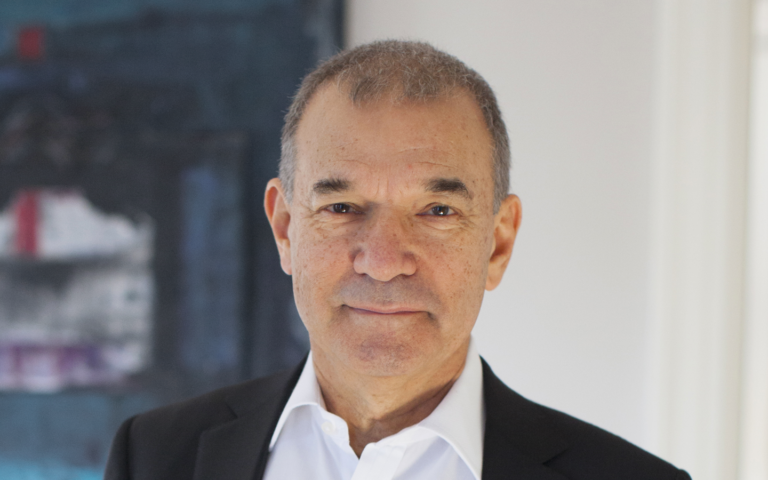
“Everyone dreams at night”: Interview with Stephen Greenblatt
What are the paths and life events that have led 2016 Holberg Laureate Professor Stephen Greenblatt to where he is today? Where will he go from here? How will the humanities survive the current crisis? Those are some of the questions Greenblatt answers in this exclusive interview.
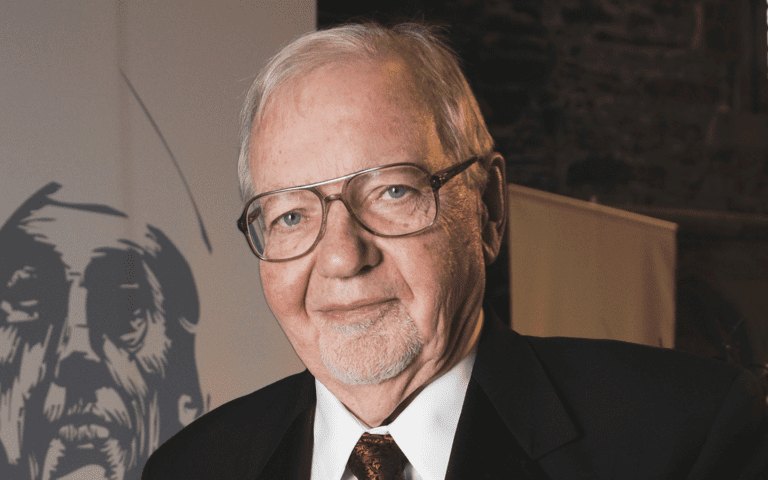
About Fredric R. Jameson
Fredric R. Jameson (born in 1934 in Cleveland, Ohio) is one of today's most important and most influential cultural theorists. He has done more for the contextual study of culture than any other living scholar. Over the past four decades, he has developed a richly nuanced theory of how modern culture – in particular, literature, painting, cinema, and architecture – relates to social and economic developments.

About Ian Hacking
Ian Hacking (born in 1936 in Vancouver, British Columbia) is one of the world's leading scholars in the fields of philosophy and history of science. He has made important contributions to areas as diverse as the philosophy and history of physics; the understanding of the concept of probability; the philosophy of language; and the philosophy and history of psychology and psychiatry.