

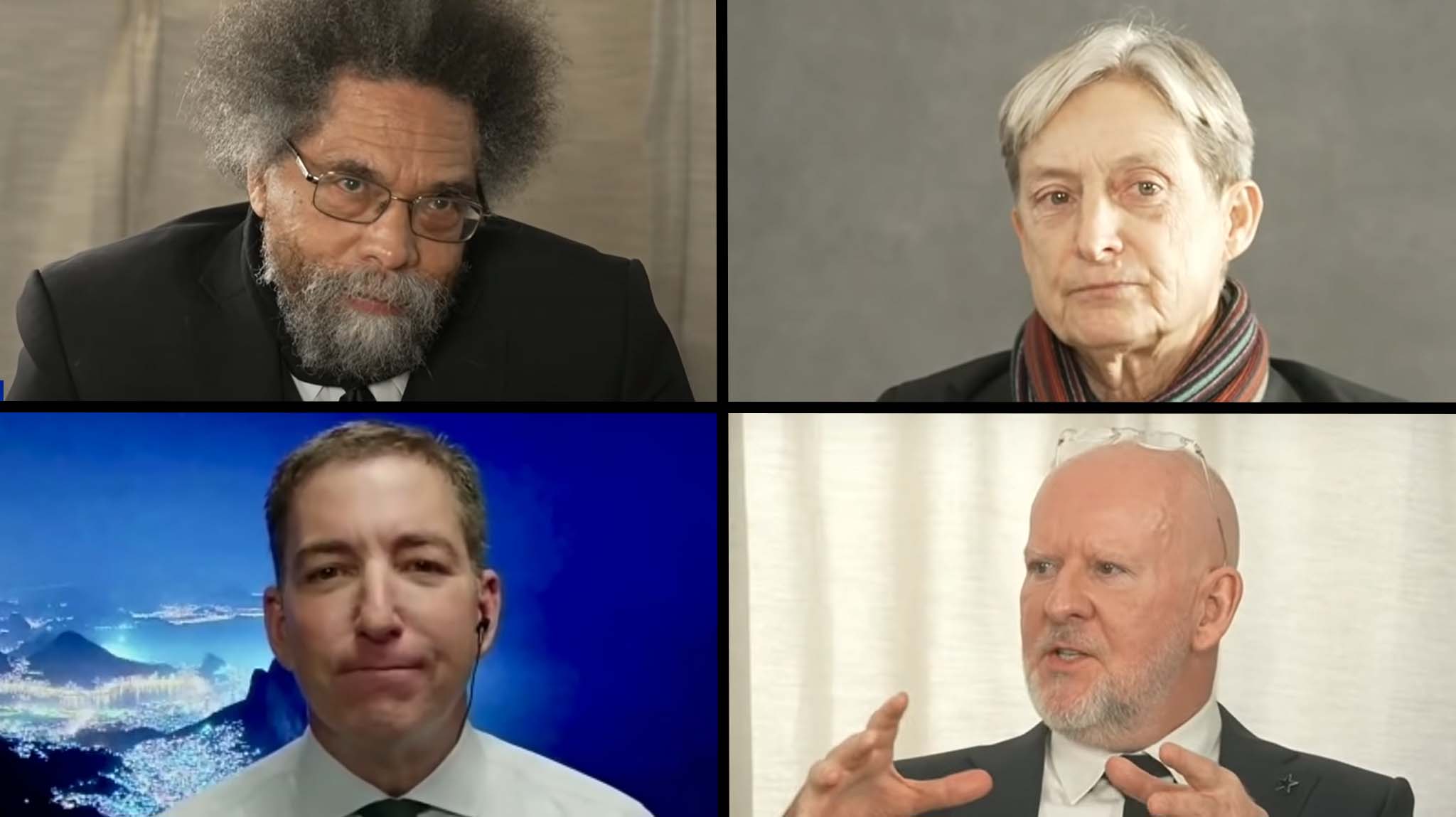
A transcript of the 2021 Holberg Debate, featuring Judith Butler, Cornel West, Glenn Greenwald and Simon Critchley, is now available.
The Holberg Debate is an annual event organised by the Holberg Prize. The event is inspired by Ludvig Holberg’s Enlightenment ideas and aims to explore pressing issues of our time and to highlight the relevancy of research in the fields covered by the Holberg Prize. The debate seeks to include panellists from both inside and outside academia.
The Holberg Debate on “Identity Politics and Culture Wars” took place on 4 December, 2021, and featured the following panellists:
- Judith Butler, Maxine Elliot Professor in the Department of Comparative Literature and the Program of Critical Theory at the University of California, Berkeley; Hannah Arendt Chair at the European Graduate School.
- Cornel West, Dietrich Bonhoeffer Professor of Philosophy & Christian Practice at Union Theological Seminary in the City of New York.
- Glenn Greenwald, investigative journalist and author.
- Moderator: Simon Critchley, Hans Jonas Professor at the New School for Social Research
An unedited transcript of the debate is now available here.
For more information on the 2021 Holberg Debate, see the event page.
Video of the debate
Podcast of the debate
Last edited:
Published:
Related content
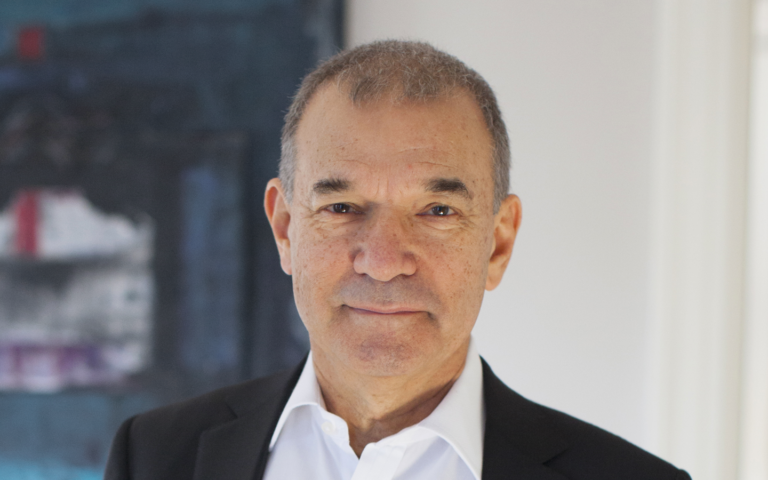
“Everyone dreams at night”: Interview with Stephen Greenblatt
What are the paths and life events that have led 2016 Holberg Laureate Professor Stephen Greenblatt to where he is today? Where will he go from here? How will the humanities survive the current crisis? Those are some of the questions Greenblatt answers in this exclusive interview.
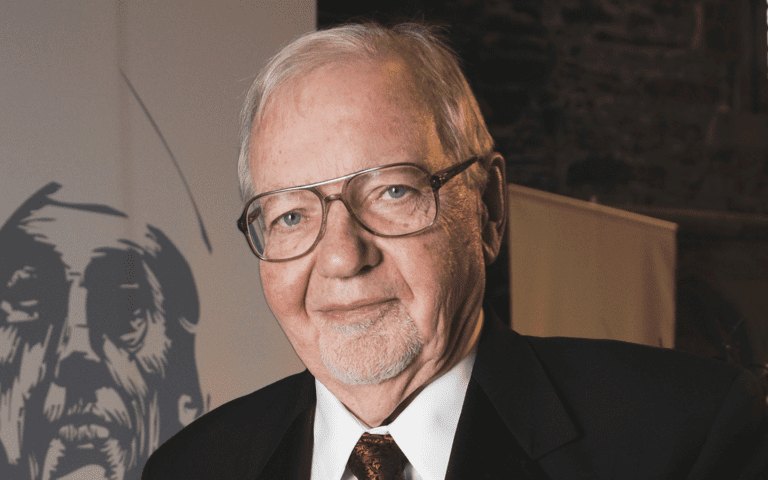
About Fredric R. Jameson
Fredric R. Jameson (born in 1934 in Cleveland, Ohio) is one of today's most important and most influential cultural theorists. He has done more for the contextual study of culture than any other living scholar. Over the past four decades, he has developed a richly nuanced theory of how modern culture – in particular, literature, painting, cinema, and architecture – relates to social and economic developments.

About Ian Hacking
Ian Hacking (born in 1936 in Vancouver, British Columbia) is one of the world's leading scholars in the fields of philosophy and history of science. He has made important contributions to areas as diverse as the philosophy and history of physics; the understanding of the concept of probability; the philosophy of language; and the philosophy and history of psychology and psychiatry.