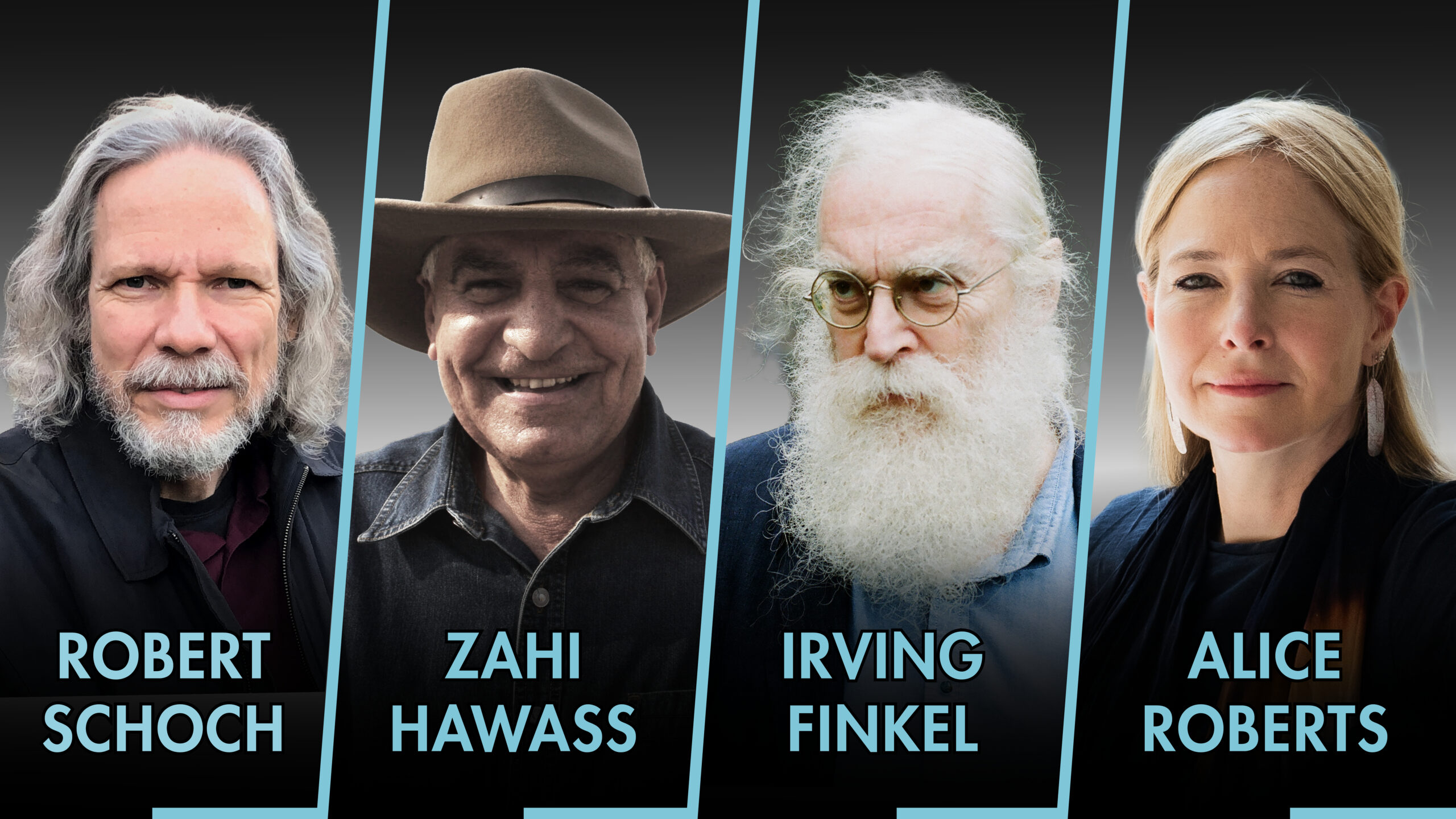
Why are questions about humanity’s deepest past so controversial, and could new discoveries force us to rethink what we believe we know about the origins of civilization?
Stories of lost civilizations, forgotten knowledge, and hidden chapters of the human past have fascinated millions and attracted considerable attention, particularly beyond academia. At the same time, such ideas are often met with significant scepticism within scholarly communities. Where should the line be drawn between legitimate scientific curiosity and theories that extend beyond the available evidence?
The 2026 Holberg Debate takes as its starting point both concrete discoveries and the larger questions they raise. Focusing on the Giza Plateau, ancient Mesopotamia, and early monumental sites such as Göbekli Tepe, the debate will explore how new findings should be evaluated, how paradigms change, and how research should distinguish between genuine anomalies and unwarranted conclusions.
Key Questions
- How should we define “civilization”, and do new discoveries challenge established views of when and how civilizations emerged?
- How do we balance scientific scepticism with openness to new hypotheses and interpretations?
- What can ancient traditions, myths, and cultural memories tell us about early or forgotten chapters of human history?
- How has the archaeological record available to us today been shaped by societal collapse, cultural loss, and preservation bias—that is, by the fact that some things are preserved while others are lost?
Contributors
Zahi Hawass
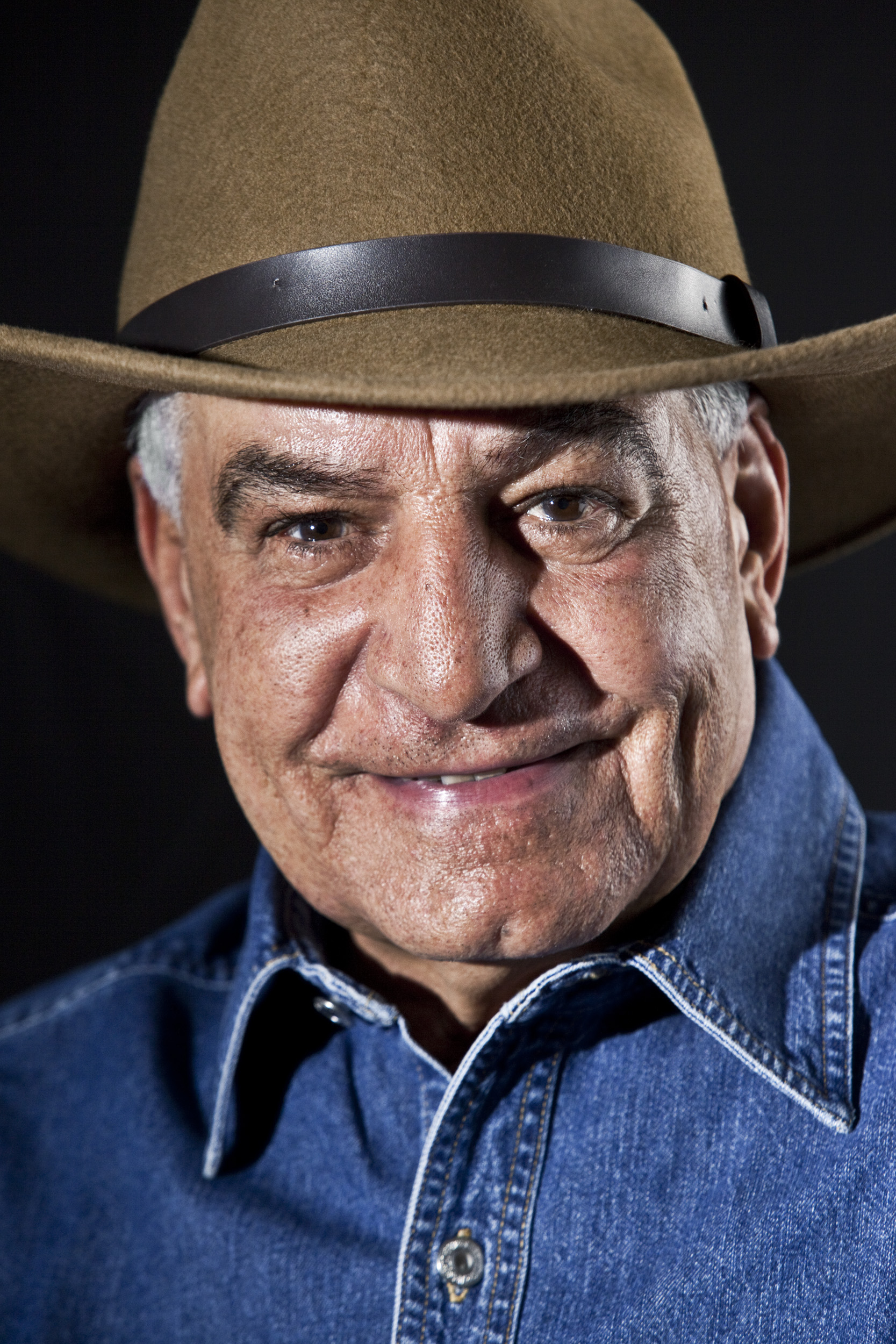
(Photo: Eduardo Ruiz)
Dr. Zahi Hawass is a world-famous Egyptologist and former Egyptian Minister of State for Antiquities Affairs. He received a BA from Alexandria University in Greek and Roman archeology, a diploma in Egyptology from Cairo University, and an MA and PhD from the University of Pennsylvania, where he was a Fulbright Fellow.
Hawass has made many famous discoveries in Egypt, including the Valley of Golden Mummies at Bahariya and the tombs of the pyramid builders. Recently, he discovered a lost golden city in the Valley of the Kings which was chosen by Archaeology magazine as the most important discovery of 2021. He has written numerous academic books and scholarly articles on his excavations, including sixteen books about Tutankhamun and many children’s books.
Hawass has appeared in documentaries produced by the BBC, Discovery Channel, National Geographic, the History Channel, PBS and Netflix, has received numerous awards and honors, including an Emmy award for a documentary on ancient Egypt, and was named by Time magazine as one of the 100 Most Influential People in 2006. He serves as a UN Ambassador for Global Cultural Heritage and as the UN World Tourism Organization’s Ambassador for Responsible Tourism. Hawass has received thirteen honorary doctorates from institutions in thirteen different countries.
Robert Schoch
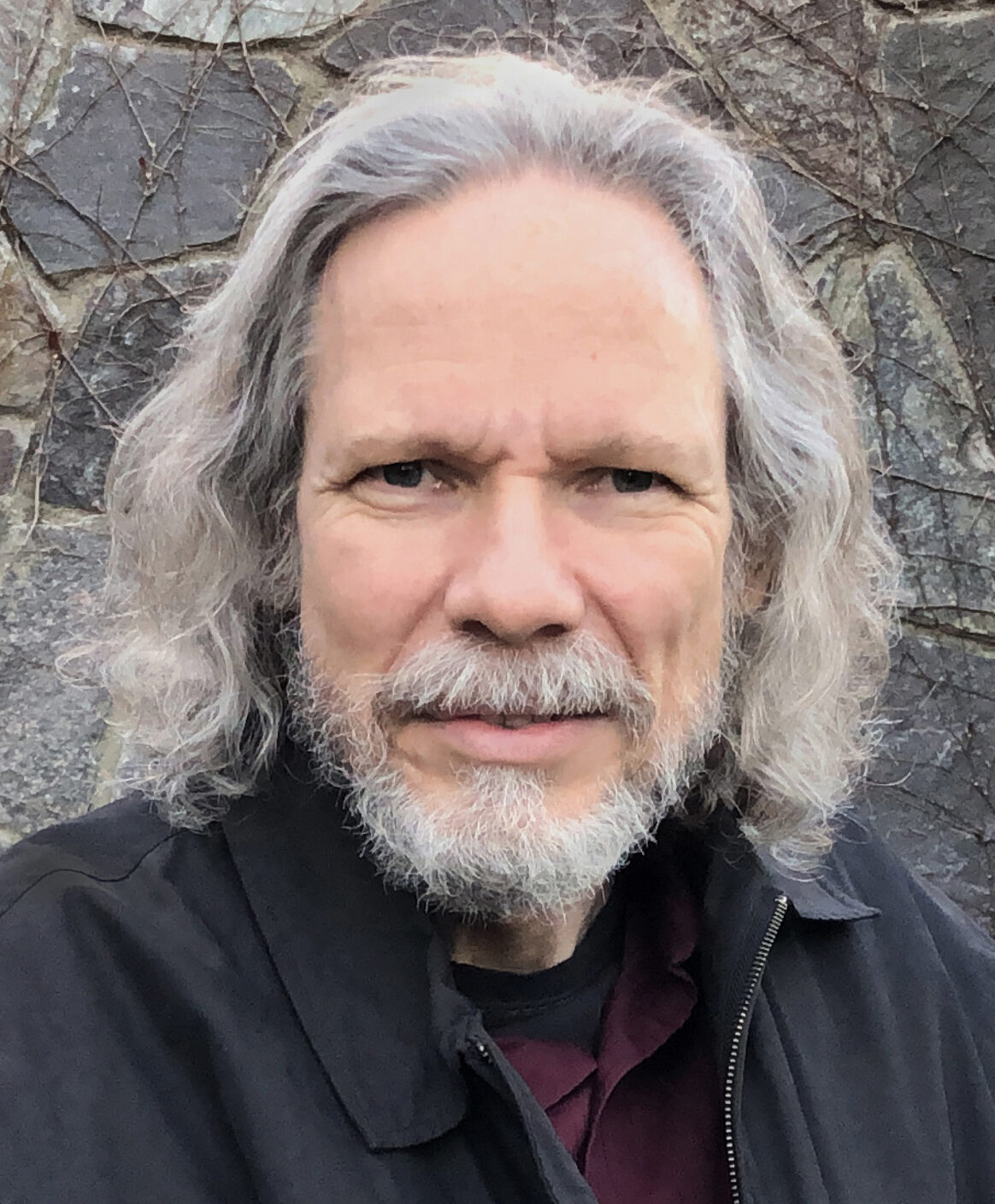
Dr. Robert M. Schoch, Director of the Institute for the Study of the Origins of Civilization at Boston University’s College of General Studies, holds a PhD from Yale in Geology & Geophysics.
Schoch maintains that true civilization existed 12,000 years ago and was decimated by cataclysmic events, unleashed by our Sun, at the end of the last ice age, c. 9700 BCE. In the 1990s, Schoch became widely known for asserting that geological evidence, including water-weathering and erosion patterns, indicates that the origins of the Great Sphinx may be significantly older than its conventional date of c. 2500 BCE (reasoning that the head was later re-carved).
Schoch contends that discoveries at the megalithic site of Göbekli Tepe support his views regarding the extreme antiquity of civilization. Schoch is known through his books (notably Forgotten Civilization: New Discoveries on the Solar-Induced Dark Age, 2021), articles, television (including NBC’s Emmy-winning The Mystery of the Sphinx), radio, conferences, and Internet shows, where he has reached millions with his challenges to standard dogma.
Irving Finkel
(Photo: Travis Elborough)
Dr. Irving Finkel is Assistant Keeper of Ancient Mesopotamian Script, Languages and Cultures at the Department of the Middle East, British Museum.
A specialist in Assyriology, Finkel has devoted much of his career to the study of cuneiform texts, the history of ancient Mesopotamia, and the intellectual traditions of the ancient Near East. His research has covered topics ranging from language, literature, and religion to ancient science, mathematics, games, and flood traditions.
Finkel is widely known for his work on Mesopotamian myths and cultural memory, as well as for his public engagement through lectures, documentaries, exhibitions, and books, including The Ark Before Noah: Decoding the Story of the Flood (2013). He is a frequent commentator on the ancient world and its enduring influence on later civilizations.
Alice Roberts
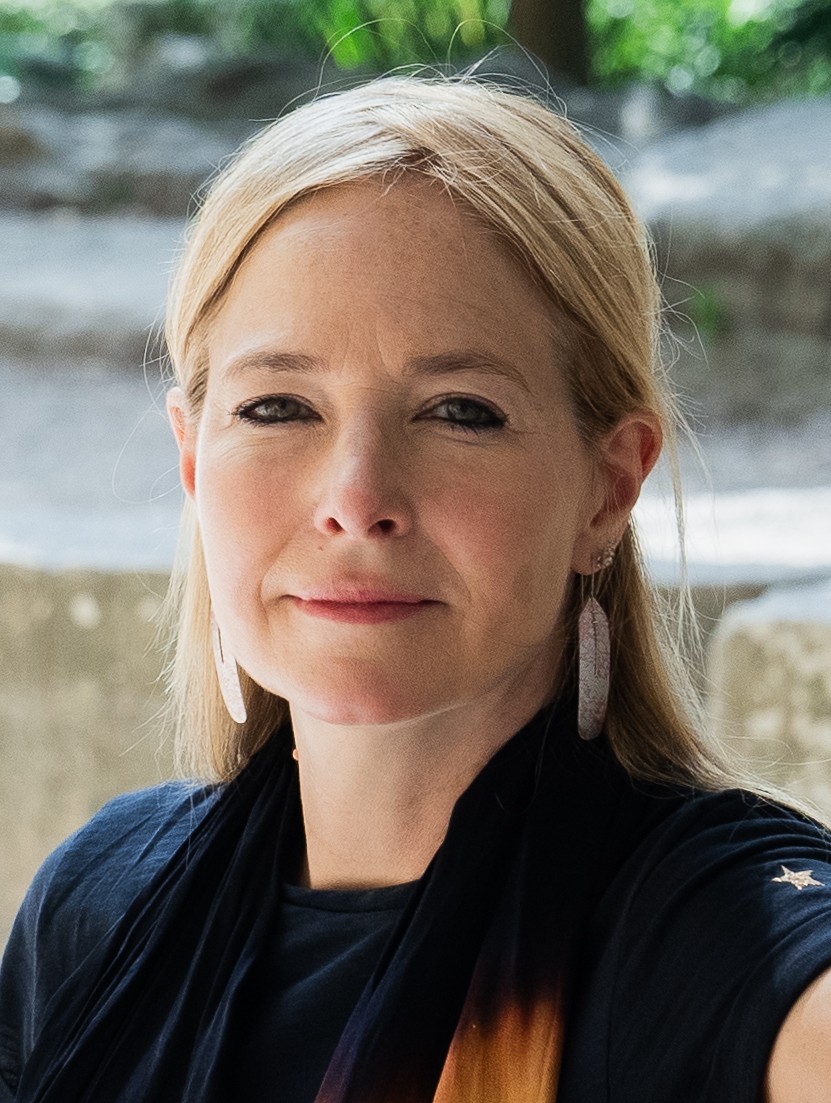
(Photo: Milla Lewis)
Dr. Alice Roberts (Moderator) is Professor of Public Engagement in Science at the University of Birmingham, where she works to strengthen dialogue between academic research and wider society. A trained anatomist and biological anthropologist, she has published extensively on human evolution, prehistory, and the history of our species.
Roberts is also one of the United Kingdom’s best-known science communicators, having presented numerous television series on archaeology, human origins, and ancient history for the BBC and other broadcasters. In addition, she is the author of several acclaimed and award-winning books exploring evolution, migration, and the deep past. Through her work in academia, broadcasting, and public engagement, she has helped bring complex scientific and historical questions to a broad international audience. Her latest books are Domination: The Fall of the Roman Empire and the Rise of Christianity (2025), and The Goddess Queen (2026), her novel about Cleopatra and Marcus Antonius.