Leading scholars discuss how we can understand the interconnected global crises of our time and how knowledge can be mobilized to address them.
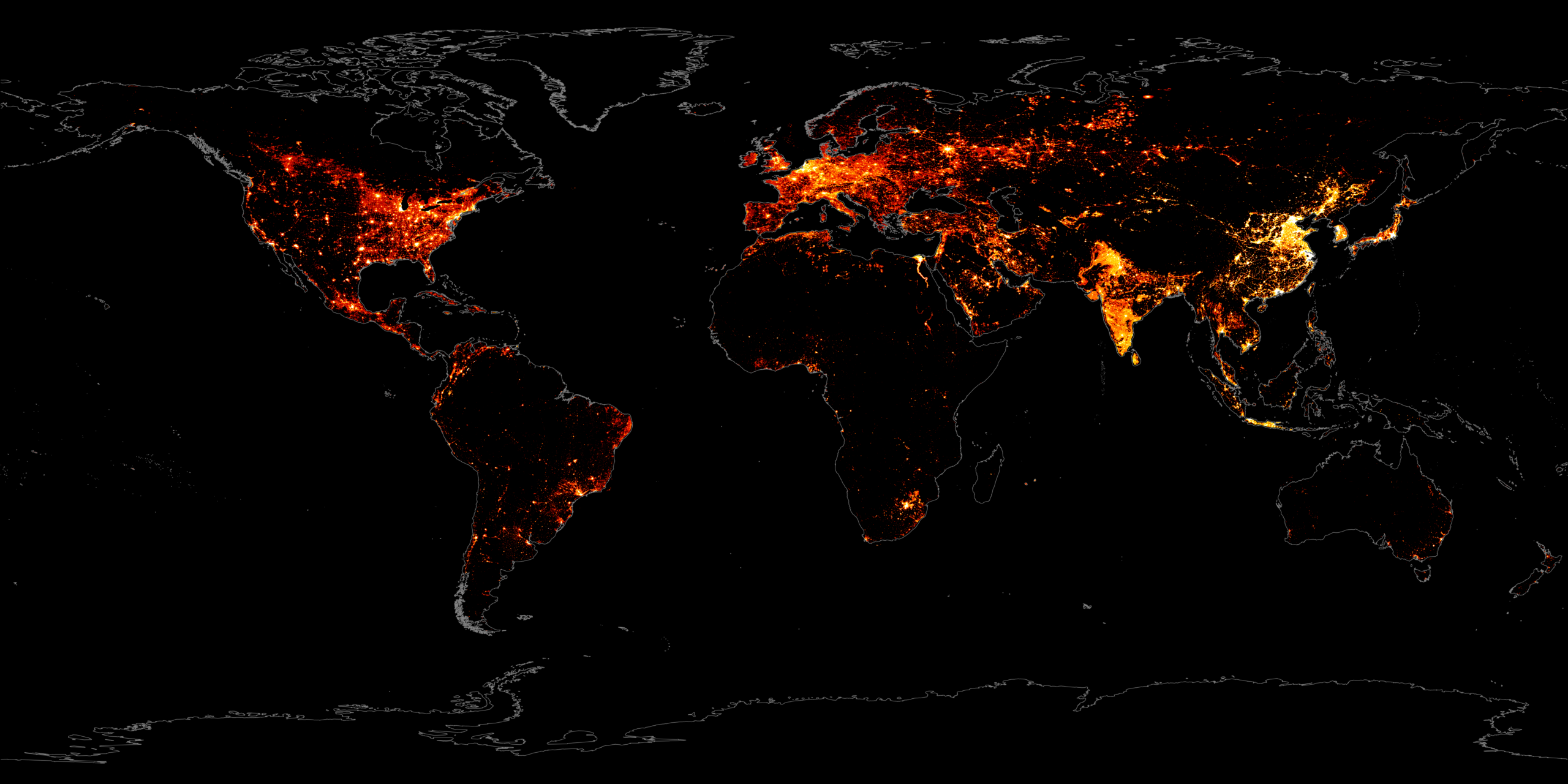
Polycrisis refers to a plurality of intersecting crises—environmental, economic, political, social—that occur across the world, affecting its inhabitants in multiple manners. Polycrisis involves a pressing awareness of insecurity and uncertainty for people globally. It is difficult to grasp what is going on and which steps to take next. However, can one also imagine ways to mobilize knowledge engaging this polycrisis? Is there a case to be made also for polyopportunities in this troubled global moment?
Coined by Edgar Morin and Anne-Brigitte Kern in the 1990s, today polycrisis it is employed to address mutual connections between matters as climate change, the Sars Cov2 pandemic, the erosion of democracy and internal law, war in Ukraine, Gaza, Iran and Sudan, and so on. The current sense of crisis and disorder may be arguably stronger in Europe and the US, which have long benefitted from a world order grounded in Western power, but also affects other regions.
This difficulty also pertains to the academic sphere, which faces a profound transformation of the infrastructures of knowledge production, as well as threats to academic freedom, while the autonomy of the academic field and even its usefulness is openly challenged by authoritarian governments and right-wing populists. How to situate ourselves as scholars in this complex, messy environment? If it is our task as academics to contribute knowledge to understanding the world – with its patterns and principles – in the broadest sense, the current situation requires us to think hard. Which new directions could our thinking take? Which fresh imaginations could we develop? In what ways could the current polycrisis not only be a topic for (depressing) analysis, but also open up new opportunities and possibilities? How to mobilize knowledge so as to move beyond well-trodden Eurocentric epistemologies and re-think our world from an angle of “provincializing Europe” (Chakrabarty) and multiplicity? What can scholars in the humanities contribute to understand what we share, and what separates us, as humans?
These admittedly big questions are difficult to solve, yet it is all the more important to address them from multiple angles and standpoints. Moderated by Birgit Meyer, this event convened by The Holberg Prize will bring together Rens Bod, Sari Hanafi and Francio Guadeloupe, who will start with a brief opening statement and engage in a conversation.
Speakers
Rens Bod
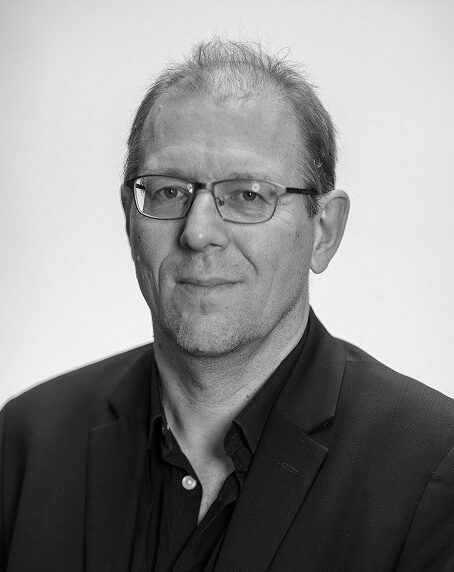
(Photo:
Inge Hoogland)
Rens Bod is Professor of Digital Humanities and History of the Humanities at the University of Amsterdam and a founding member of the Vossius Center for the History of Humanities and Sciences. His research explores the development of knowledge across cultures and throughout history. Bod is founding editor of the journal History of Humanities, published by the University of Chicago Press, and founder of the conference series The Making of the Humanities. He is currently president of the Society for the History of the Humanities.
Bod’s books include A New History of the Humanities (Oxford University Press) and World of Patterns: A Global History of Knowledge (Johns Hopkins University Press). With Stefan Collini and Onora O’Neill he co-authored The Humanities in the World (UPress). Bod is also a regular contributor to public debate and an academic activist. He initiated WOinActie, a movement advocating for adequate funding for higher education and academic research.
Francio Guadeloupe
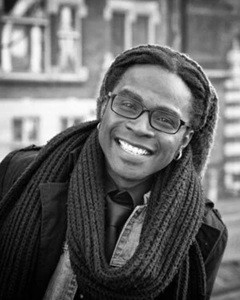
Belinda Devid.)
Francio Guadeloupe has worked at various universities in the Kingdom of the Netherlands. He is currently endowed professor in the Public Anthropology of Kingdom Relations at the University of Amsterdam (UvA) and senior researcher at the Royal Netherlands Institute for Southeast Asian & Caribbean studies (KITLV-KNAW). Guadeloupe’s ethnographic research & teaching focuses on the (Dutch) Caribbean and the Netherlands. He combines intra- and extramural academic work seeking creative ways to address varied publics. He is the author of the monographs, Black Man in the Netherlands: an Afro-Antillean Anthropology (University of Mississippi Press 2022) and Chanting Down the New Jerusalem: Calypso, Christianity, and Capitalism in the Caribbean (University of California Press, 2009), and the co-director with visual anthropologist Manpreet Brar of the anthropological film Changá (2025), which employs the philosophies of life embedded in the popular game of domino to interrogate Dutch Caribbean belonging in the Netherlands.
Guadeloupe also served for four years—between 2013 and 2017—as the President of the University of St. Martin (USM), until the devastation wrought by hurricane Irma led to the temporary closure of the institution on the bi-national Dutch and French Caribbean island of Sint Maarten and Saint Martin. This inspired his current work on thinking climate change as a multiplicity of socioenvironmental challenges.
Sari Hanafi
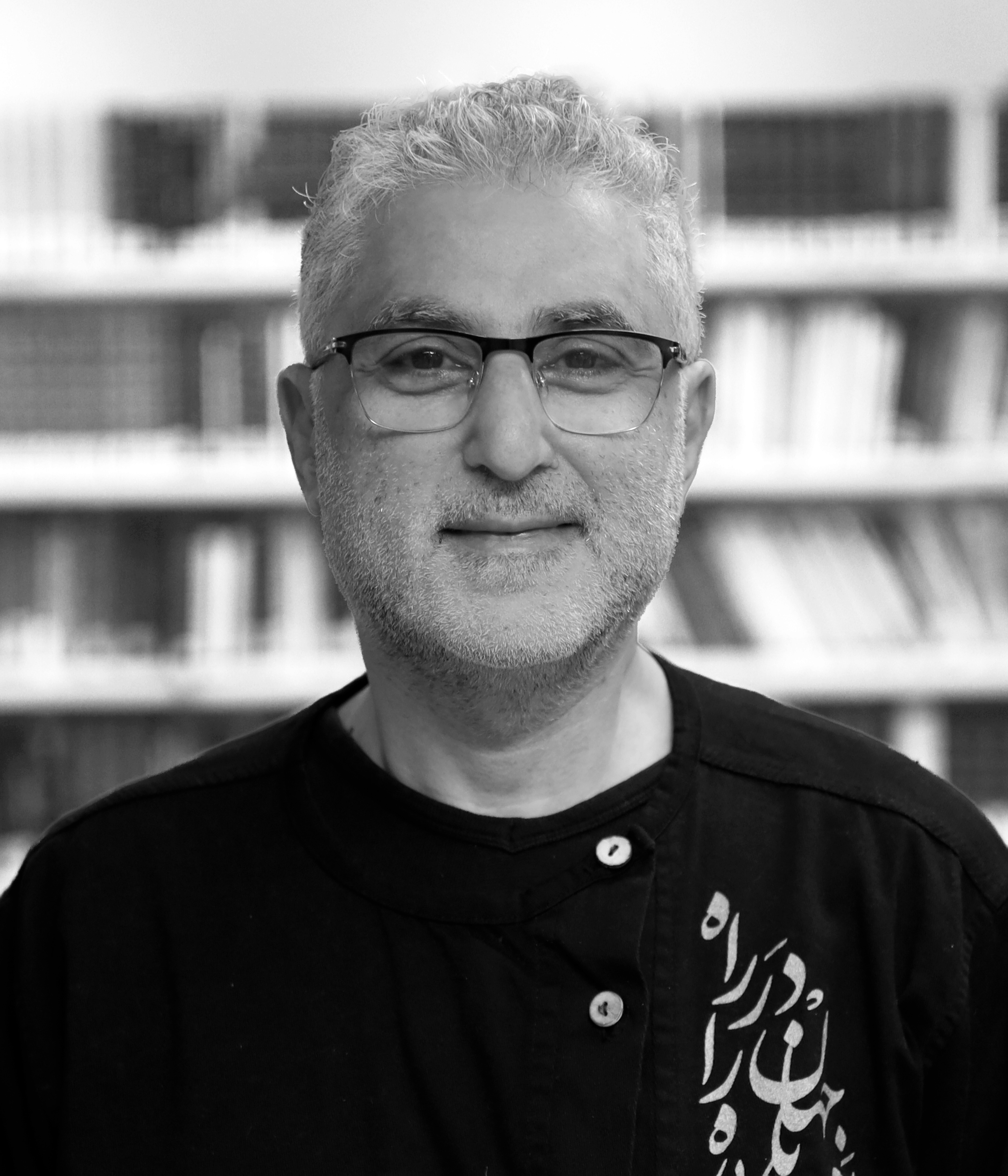
(Photo: American University of Beirut)
Sari Hanafi is Professor of Sociology, Director of Center for Arab and Middle Eastern Studies and Chair of the Islamic Studies program at the American University of Beirut. He was the President of the International Sociological Association (2018-23). Among his recent authored books: Against Symbolic Liberalism: A Plea for Dialogical Sociology. In 2019, he was awarded an Honorary Doctorate from the National University of San Marcos (the first and the leading university in Lima- Peru – established in 1551). In 2022, he became International fellow of the British Academy.
Birgit Meyer (moderator)
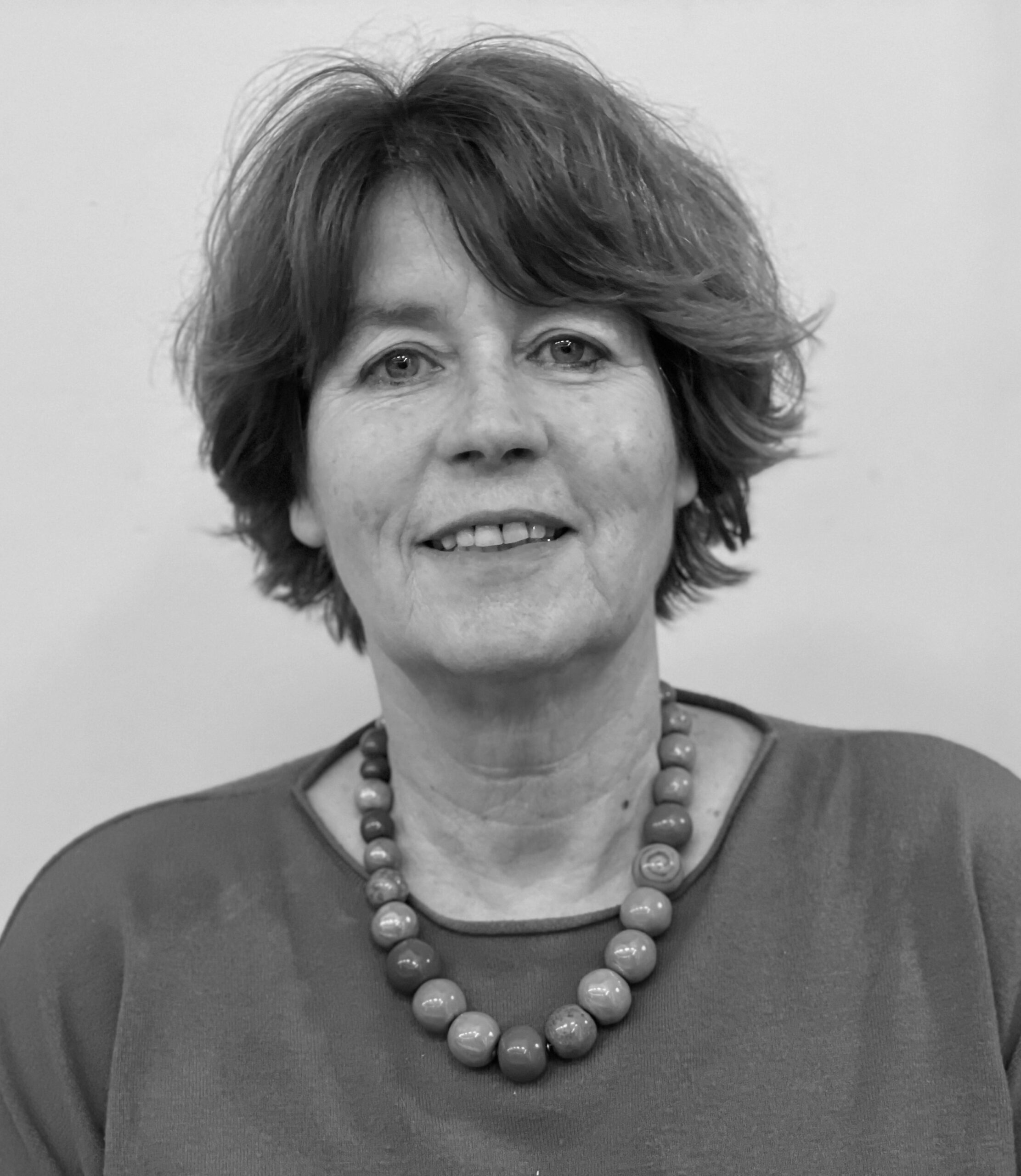
(Photo:
Pooyan Tamimi Arab.)
Birgit Meyer (PhD anthropology, 1995) is Professor of Religious Studies at Utrecht University. Trained as a cultural anthropologist, she studies religion from a material and postcolonial angle, seeking to synthesize grounded fieldwork and theoretical reflection in a multidisciplinary setting.
Meyer is a member of the Royal Dutch Academy of Arts and Sciences (KNAW), the Berlin Brandenburg Academy of Arts and Sciences (BBAW) and member of the Holberg Committee. In 2015, she was awarded the Spinoza Prize by the Netherlands Organization for Scientific Research (NWO) and the Academy Professor Prize by the KNAW, thanks to which she could set up the research program Religious Matters in an Entangled World at Utrecht University.