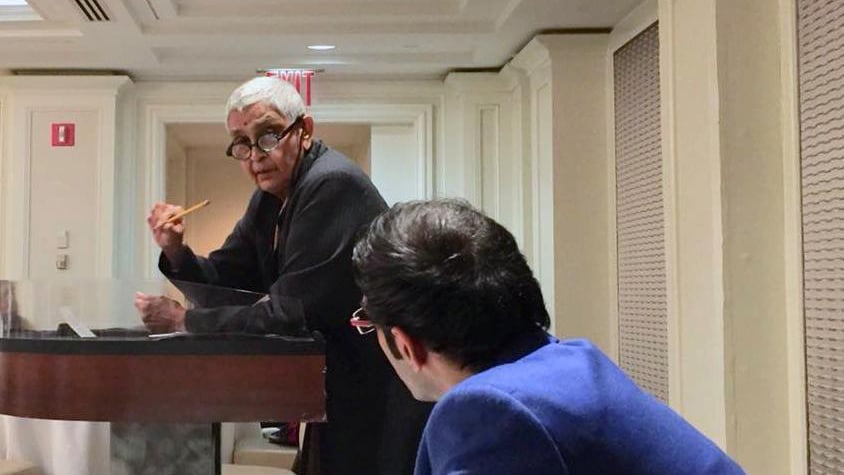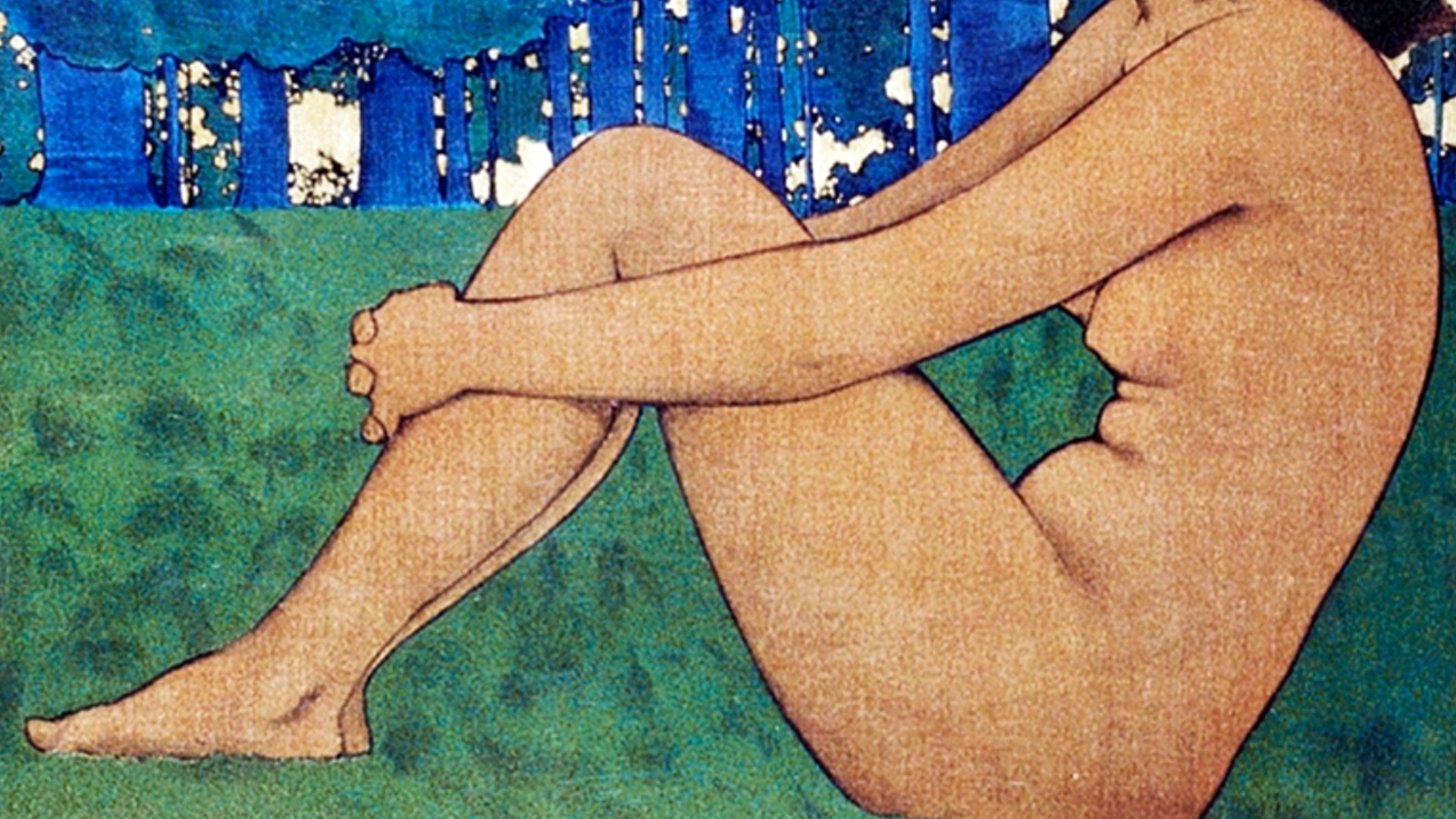
How do we include physical experience, real bodies, in our understanding of human life? Where do phenomena like dreams fit in? What does gender mean today?
Five PhD candidates in the Nordic countries participate in this Masterclass with Professor Lyndal Roper on “Bodies, Gender, Psyche, Movement”. Each participant will give a 5-minute presentation related to the theme chosen by the Laureate. After the presentations there will be a panel discussion.
Abstract
How do we get beyond discourse about ‘the body’ – after all, there is no such thing as THE body – and what opens up if we no longer assume gender is binary? AI of course doesn’t have a body. How can we enrich our account of human agency by thinking about emotions, including religious ones, and the unconcious? And how does our thinking change when we move?
This event is part of the 2026 Holberg Week, which takes place from 1 to 4 June in Bergen.
Speakers
Lyndal Roper
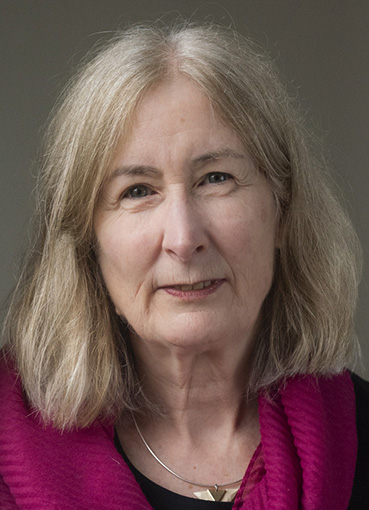
Lyndal Roper is a historian of German history 1500 to1800, especially women and gender. She has written a biography of the reformer Martin Luther, and last year published Summer of Fire and Blood, a history of the German Peasants’ War: to write it, she walked or cycled just about all the areas affected by the War. She has taught at King’s College London, Royal Holloway, University of London, and the University of Oxford. In 2011 she became Regius Professor of History at Oxford, the first woman to hold the 300 year old post. She co-edited the journal Past & Present for over a decade and has been a member of History Workshop Journal Collective for forty years. Now she runs experimental workshops, ‘Moving History’, teaching critical and creative thinking in combination with (light!) physical exercise.
Miriam Sünder
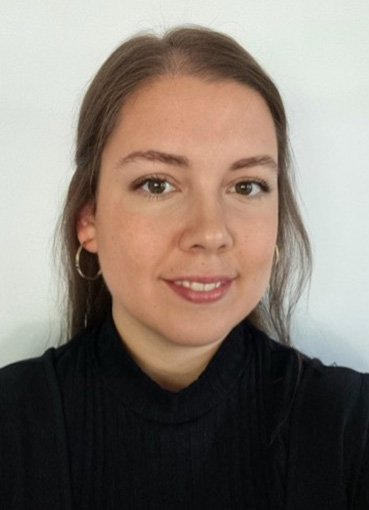
l will aim to contribute a nuanced account of agency that moves beyond binary and oppositional frameworks by foregrounding lived, affective, and vulnerable embodiment. My work on “mediagentivity” examines how agency is constituted through relationality, dependence, and the interplay of activity and passivity, thereby challenging entrenched dualisms (e.g., active/passive, autonomy/dependence, female/male). This perspective seeks to bring theological anthropology into closer dialogue with embodied experience, movement, emotion, and the unconscious, moving beyond abstract discourse about “the body” and highlighting human responsibility in the context of suffering and politics.
Miriam Sünder is a systematic theologian with experience in medical science and global health. Currently a PhD candidate at the University of Gothenburg, her research focuses on suffering and vulnerability, with particular attention to forms of agency that move beyond the active–passive binary.
Edna Huotari
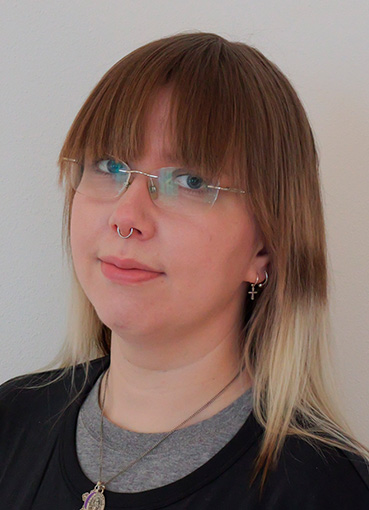
My presentation will discuss the difficult task of understanding from where and when our concept of the gendered, psychiatric subject emerges. Through Professor Roper’s work I discuss how the history of psychic and nervous illnesses complicates our ideas around both a culturally constructed “body” and the concept of psyche at large.
Edna Huotari, MSS, is a PhD candidate at the University of Helsinki. She is working as part of an ERC-funded project on history of medical electricity between 1740 and 1840. Her Bachelor’s and Master’s studies were in social and moral philosophy and her current research investigates medical electricity with a special focus on its gendered uses.
Jon Martin Perander
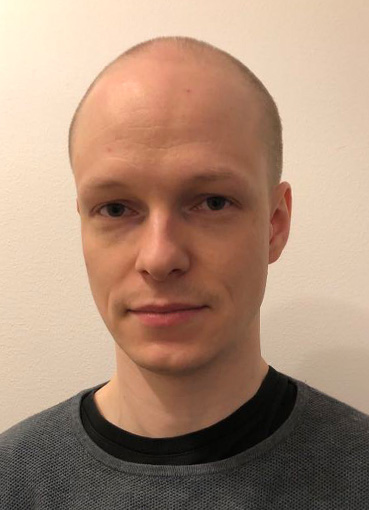
My contribution to the masterclass will reflect on how bodies, animated as well as inanimate, operate in the dramatic space of Greek Tragedy. Naturally, the body’s presence is implied in the genre of drama itself, although it tends to be understood through the lens of action, characterization and rhetoric. Drawing on Professor Lyndal Roper’s work on the corporality of historical actors as well as her understanding of body images, I wish to explore how meetings between human and non-human bodies create fantasies (e.g. hunting, seafaring, childbirth) enmeshed in temporalities and spaces beyond the immediate dramatic situation.
Jon Martin Perander is a PhD candidate in Comparative Literature at the University of Bergen. His current research investigates the role of non-acting and non-speaking bodies in Sophoclean tragedy and how they relate to and problematize the primacy of human teleological agency.
Sigrún Jónsdóttir
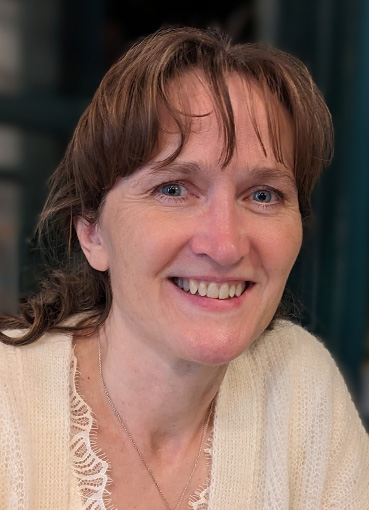
For the Masterclass, my focus will be on the possibilities that psychological dimensions offer for historical research. In my dissertation, I am exploring how ailing individuals navigated their experiences of illness. Professor Roper’s emphasis on individual subjectivities, rather than on their cultural construction alone, indicates that it is possible to discern the emotional lives of historical actors and to understand how they processed their own well-being within their internal psychological landscapes.
Sigrún Jónsdóttir is a PhD candidate in History at the University of Iceland , where she earned her BA and MA. She is also Cand. Odont (University of Iceland, 1996) and a specialist in orthodontics (Aarhus University, 2006). Her current research explores the conception of health in 18th-century Icelandic private correspondence.