How we do history, who writes it and what it includes have changed hugely over the last thirty years. What are the most important new directions, and what are the challenges as well as gains?
This symposium is held in honour of the 2026 Holberg Laureate, Lyndal Roper. The Laureate introduces the topic, followed by presentations by invited guests, a panel discussion and in the end an open Q&A session.
This event is part of the 2026 Holberg Week, which takes place from 1 to 4 June, in Bergen.
Abstract
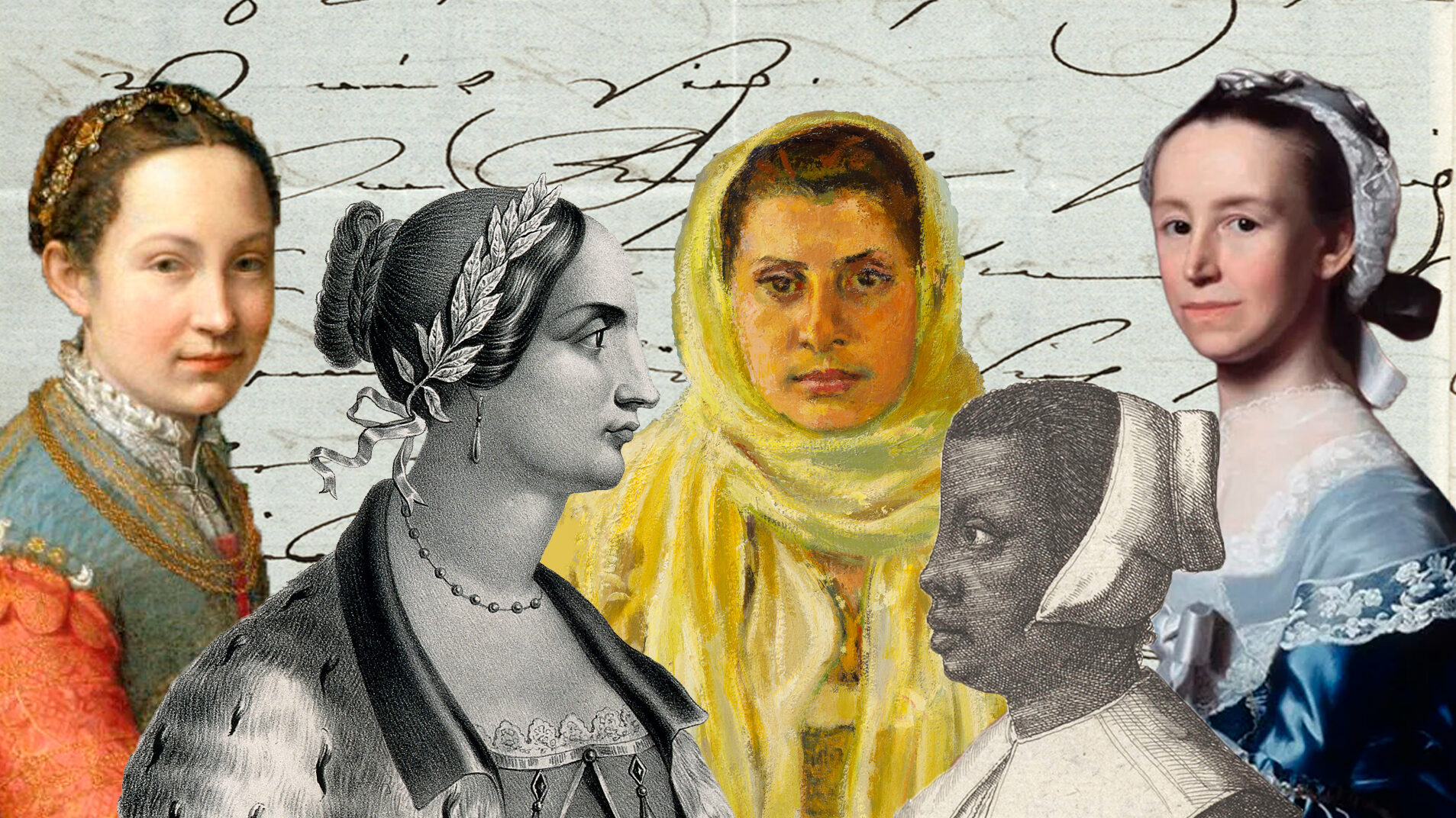
Perhaps the greatest change in the historical profession since the Second World War is the arrival of large numbers of women, and this has changed how history is written and what subjects it tackles. The last thirty years have seen the rise of global history, Black history, history of the environment, sexualities and so much more. AI also brings new possibilities, methods and challenges. What questions must historians address today?
Programme
Welcome
by Professor Jørgen Magnus Sejersted, Chair of the Holberg Prize Board
Introduction of the 2026 Holberg Laureate
by Professor Bjørn Enge Bertelsen, Academic Director of the Holberg Prize
Introduction of the topic
by Holberg Laureate Lyndal Roper, Regius Chair of History Emeritus, University of Oxford
‘History Trains the Sense of Possibility’
by Annette Kehnel, Chair of Medieval History, University of Mannheim
History trains the sense of possibility – not least among those who shape the future. For far too long, our narratives have been dominated by war, destruction, and inevitability. Yet history offers far more than collapse. Commons, sharing economies, recycling, minimalism – none of these are modern inventions. They are deeply rooted practices that sustained societies for centuries. Recovering these alternatives, diachronically and synchronically, is not nostalgia; it is a political act. History as a source of creativity and resistance: against the myth that there was, and is, no other way. Other paths existed – and still exist. History can restore trust in the power of human agency.
‘History’s Raw Materials in an Age of Crisis‘
by John-Paul Ghobrial, Professor of Modern and Global History, University of Oxford
Historians have long reflected on the “craft” of their discipline, but today the more urgent question concerns its raw materials: sources, archives, and the skills needed to interpret diverse forms of evidence. Anxieties about loss, destruction, and silences are hardly new, but they have intensified in an age of post-truth politics and “alternative facts”. AI has also introduced an “illusion of completeness”, which promises to transform historical practice and ethics. Meanwhile, storytelling about the past proliferates far beyond the academy, animated by new platforms, changing global publics, and hidden algorithms. Historians work more and more like scientists, with collaborative methods, community partnerships, and open-access data reshaping how the past is assembled. These developments raise a set of pressing questions about the future: will historians define their own discipline, or is that authority already slipping beyond their control? And in an age of renewed warfare and human-made crises on a scale not seen in decades, how might historians remain a source of wonder and hope?
‘The Future of African American History’
by Barbara Savage, Geraldine R. Segal Professor Emerita of American Social Thought and Africana Studies, University of Pennsylvania
The future of African American history as an academic enterprise is tethered to a “past that is prologue.” The field remains in a continuing struggle to document, preserve, and defend the enduring presence of black people and racism in the United States. After entering academia in the late 1970s, black women scholars have transformed their fields and their institutions. Today’s attacks on black studies have often centered black women’s work as global intellectual leaders. Contemporary political attempts to erase them and their academic labors continue debates as old as the study of history itself, but with increasingly dire consequences for all of us.
Commentary
by Holberg Laureate Lyndal Roper
Panel discussion and Q&A
moderated by Professor Bjørn Enge Bertelsen, Academic Director of the Holberg Prize
Closing remarks
by Professor Bjørn Enge Bertelsen, Academic Director of the Holberg Prize
Speakers
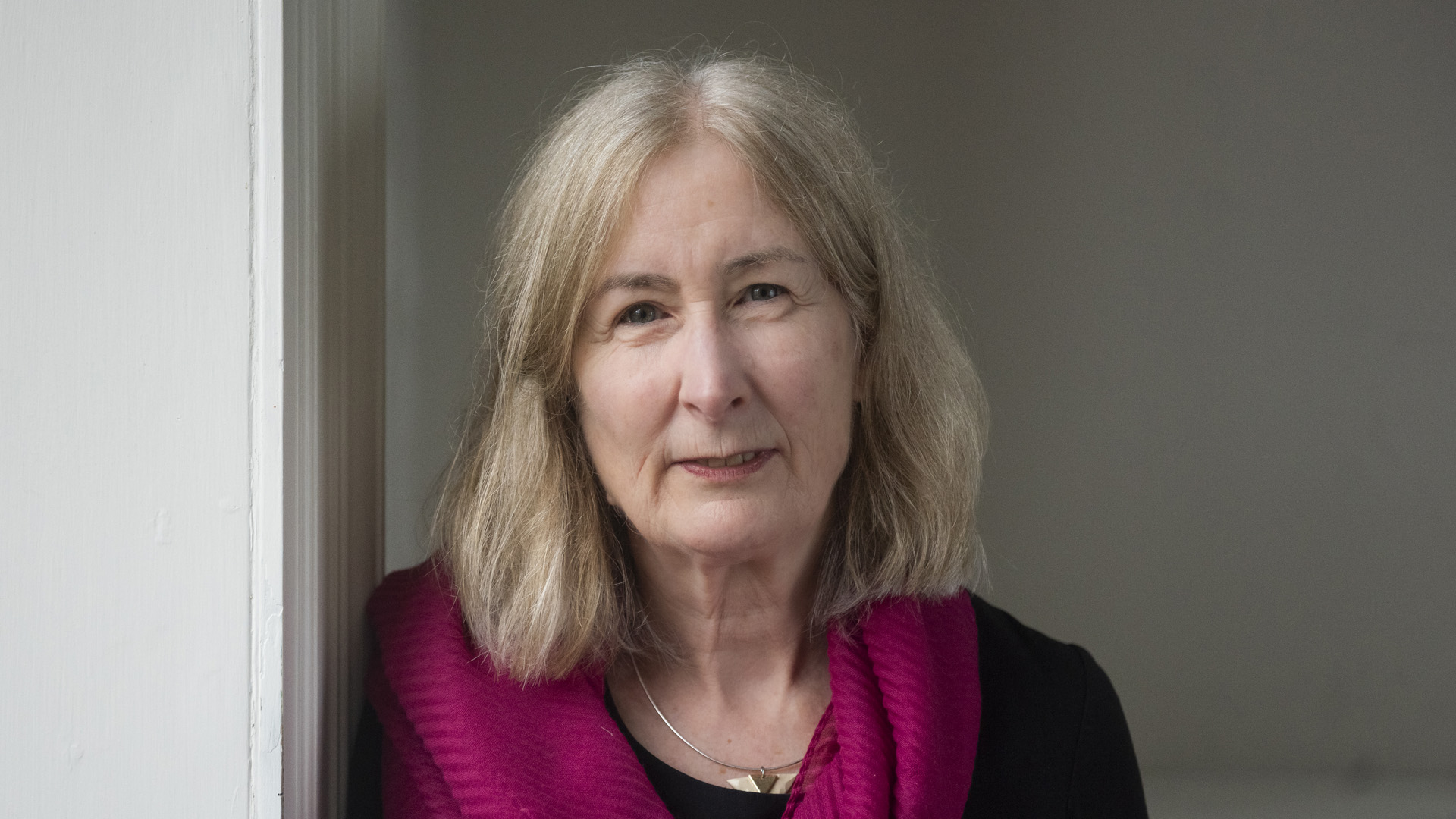
Lyndal Roper
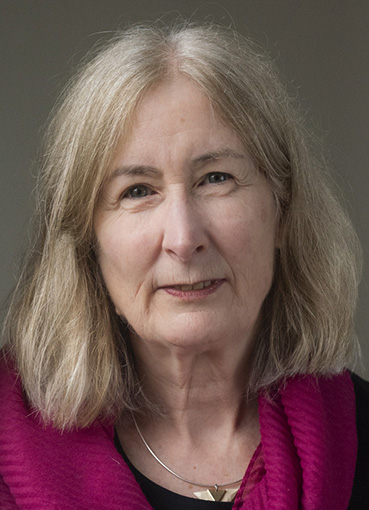
Lyndal Roper is a historian of German history 1500 to1800, especially women and gender. She has written a biography of the reformer Martin Luther, and last year published Summer of Fire and Blood, a history of the German Peasants’ War: to write it, she walked or cycled just about all the areas affected by the War. She has taught at King’s College London, Royal Holloway, University of London, and the University of Oxford. In 2011 she became Regius Professor of History at Oxford, the first woman to hold the 300 year old post. She co-edited the journal Past & Present for over a decade and has been a member of History Workshop Journal Collective for forty years. Now she runs experimental workshops, ‘Moving History’, teaching critical and creative thinking in combination with (light!) physical exercise.
Annette Kehnel
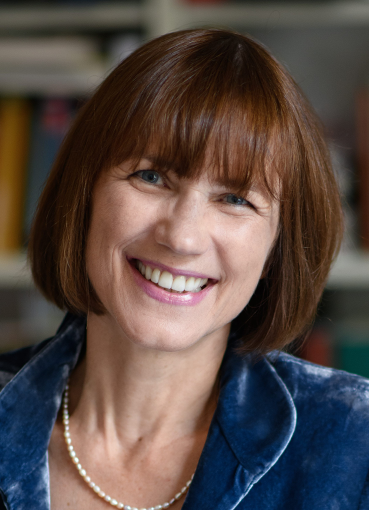
Annette Kehnel is Chair of Medieval History at the University of Mannheim, Germany, at present Visiting Fellow at HSG, University of St. Gallen, Switzerland. In her books The Green Ages: Medieval Innovations in Sustainability (2024) and Die Sieben Todsünden: Menschheitswissen für das Zeitalter der Krise (2024) she challenges the myth that progress means ever more. Drawing on centuries of evidence, she recovers forgotten alternatives – from commons to voluntary poverty – that speak directly to the crises of our time.
John-Paul Ghobrial
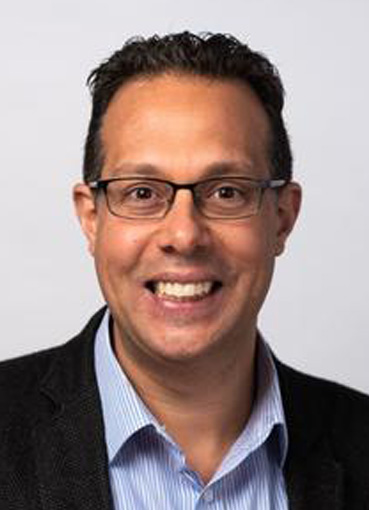
John-Paul Ghobrial is Professor of Modern and Global History at the University of Oxford, and Lucas Fellow and Tutor in History at Balliol College. He is the author of The Whispers of Cities (Oxford, 2013) and the editor ofGlobal History and Microhistory (2019) among other publications. He was the Principal Investigator for two ERC-funded projects about religious identity in the Ottoman Empire: Stories of Survival (2015-20) and Moving Stories (2021-6), both based at Oxford. He is currently completing his next book, Leaving Babylon: A Story of Belief and Belonging in the Christian East (Princeton, forthcoming).
Barbara Savage
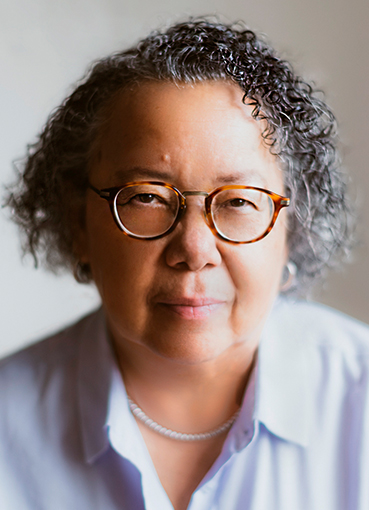
Barbara D. Savage is the Geraldine R. Segal Professor Emerita of American Social Thought and Africana Studies at the University of Pennsylvania. She has written three award-winning books: Merze Tate: The Global Odyssey of a Black Woman Scholar (Yale, 2023); Your Spirits Walk Beside Us: the Politics of Black Religion (Harvard, 2008); Broadcasting Freedom: Radio, War, and the Politics of Race, 1938-1948 (UNC, 1999). Her co-edited works are: Toward an Intellectual History of Black Women (UNC, 2015) and Women and Religion in the African Diaspora (Hopkins, 2006).
Bjørn Enge Bertelsen (Moderator)

Bjørn Enge Bertelsen is Professor of Anthropology at the University of Bergen, and the Academic Director of the Holberg Prize. His research delves into the nature of the urban, political protest, egalitarianism and violence.