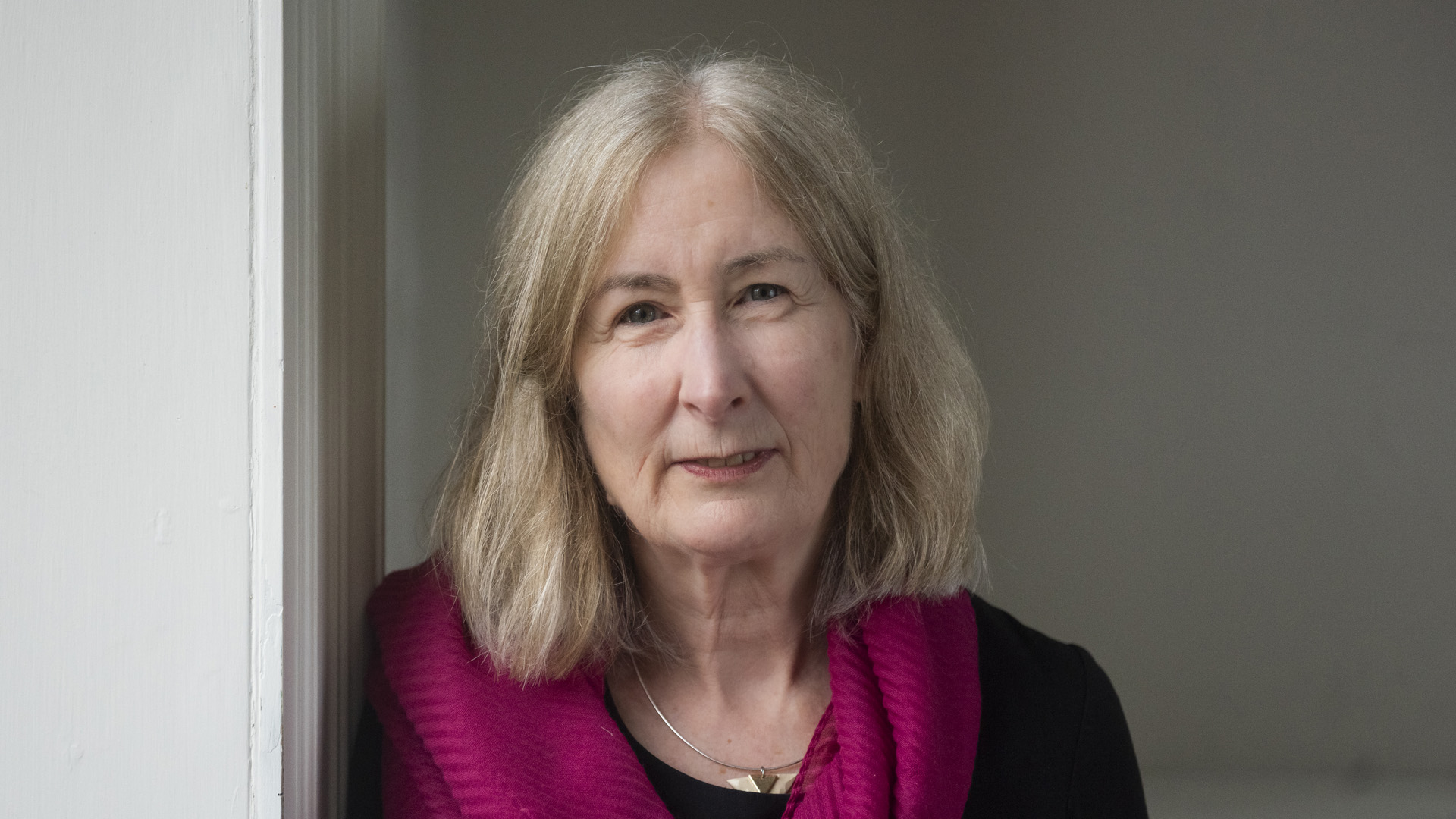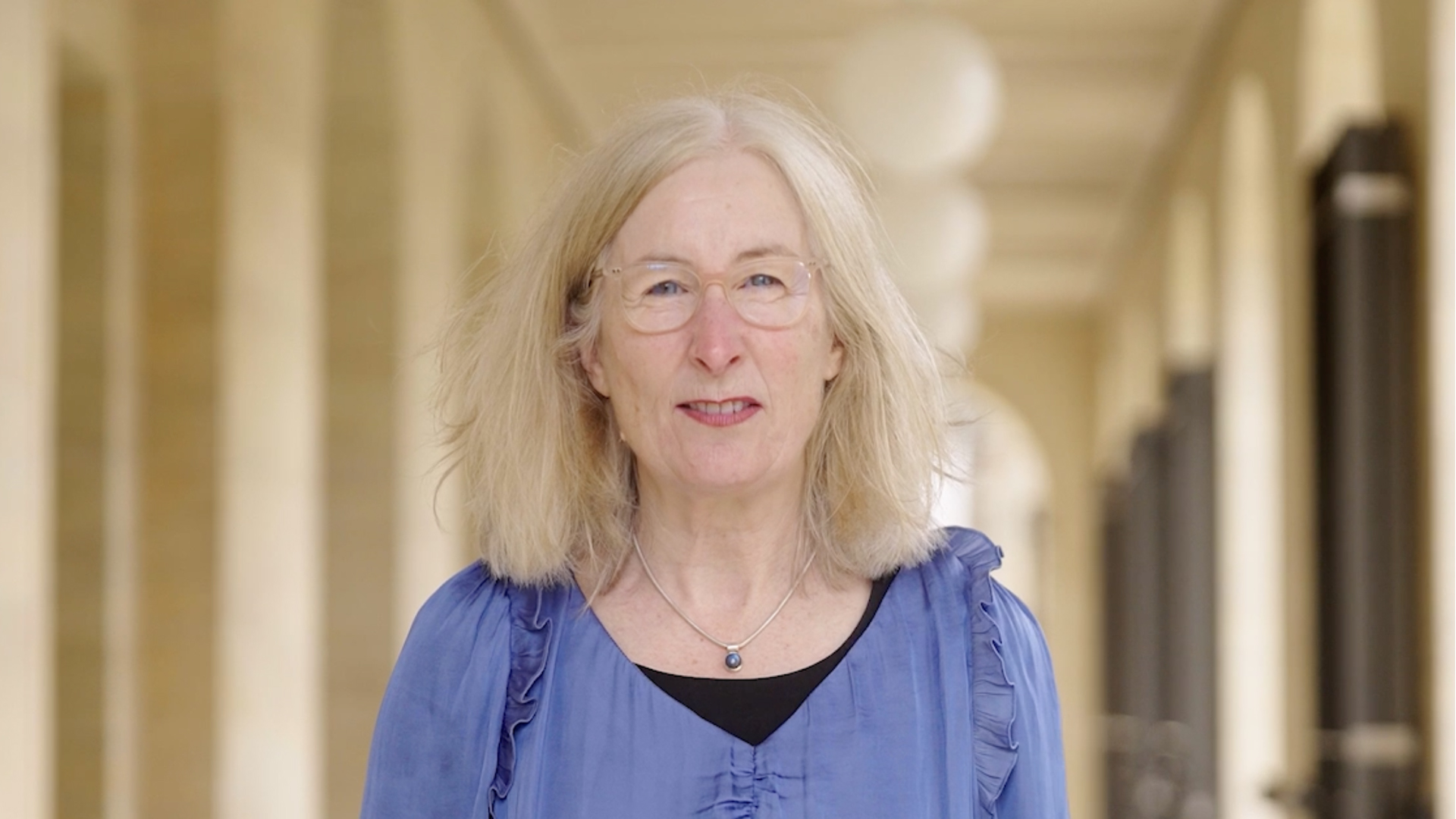
This interdisciplinary seminar is devoted to the work of the 2026 Holberg Laureate Lyndal Roper, in the lead-up to the Holberg Week (1-4 June).
On 12 May, the Department of Archaeology, History, Cultural Studies and Religion at the University Of Bergen will organise an interdisciplinary seminar devoted to the work of the 2026 Holberg Laureate Lyndal Roper.
The gathering aims to bring together scholars from across fields to engage with Roper’s influential contributions to the study of early modern Europe, the Reformation, witchcraft, religion, emotion, revolution, gender, and subjectivities.
The seminar will focus in particular on two short articles:
- Lyndal Roper, “Martin Luther’s Body: The “Stout Doctor” and His Biographers”, American Historical Review 115, 2 (2010), pp. 351-384
- Lyndal Roper, “Emotions and the German Peasants’ War of 1524–6”, History Workshop Journal 92 (2021), pp. 51–81.
You are encouraged to familiarise yourself with these articles in advance of the seminar – but please do not feel obliged if time pressures are too great! Anyone who is simply interested in finding out a bit more about Lyndal Roper and her works will find the event rewarding and stimulating.
Rather than formal paper presentations, the format will emphasize sustained, collaborative discussion, with participants invited to reflect on how Roper’s methods and interpretations intersect with, challenge, or enrich those of their own work.
Please find the programme below. Registeration is required.
Programme, May 12, 16:00-18:00, Seminar Room 1 at AHKR, Øysteinsgate 3
16:00-16.15 Marcus Colla
Introduction
16:15-17:00 Session 1 “Martin Luther’s Body”
“A scholar of religion’s reading of the text” (5-7 min)
“A historian’s reading of the text“ (5-7 min)
Open discussion (30 min)
Discussion leader: Daniela Hofmann
17:00.17:15 Break (15 min)
17:15-18.00 Session 2 “Emotions and the German Peasants”
Lisbeth Skogstrand/Daniela Hofmann
“An archeologist’s reading of the text” (5-7 min)
“The text seen through the lens of a historian” (5-7 min)
Open discussion (30 min)
Discussion leader: Elena Kochetkova